


Sperm DNA Fragmentation: What It Means for Male Fertility, IVF and ICSI
A semen analysis may show a normal sperm concentration, good motility and acceptable morphology—and yet pregnancy may still not occur.
One possible reason is that conventional semen analysis evaluates how sperm look and move, but provides limited information about the integrity of the genetic material they carry.
Sperm DNA fragmentation examines a different dimension of male fertility: damage or breaks within sperm DNA.
Elevated fragmentation has been associated with reduced reproductive potential, impaired embryo development and pregnancy loss. Recent large reviews also suggest associations with outcomes following assisted reproduction, although the strength of these relationships differs between IVF, ICSI and IUI.
Understanding when DNA fragmentation testing adds useful information can therefore help create a more complete picture of male fertility.
What Is Sperm DNA Fragmentation?
Every sperm cell carries paternal DNA that must combine with the DNA of the oocyte after fertilization.
Ideally, this genetic material should be tightly packaged and protected.
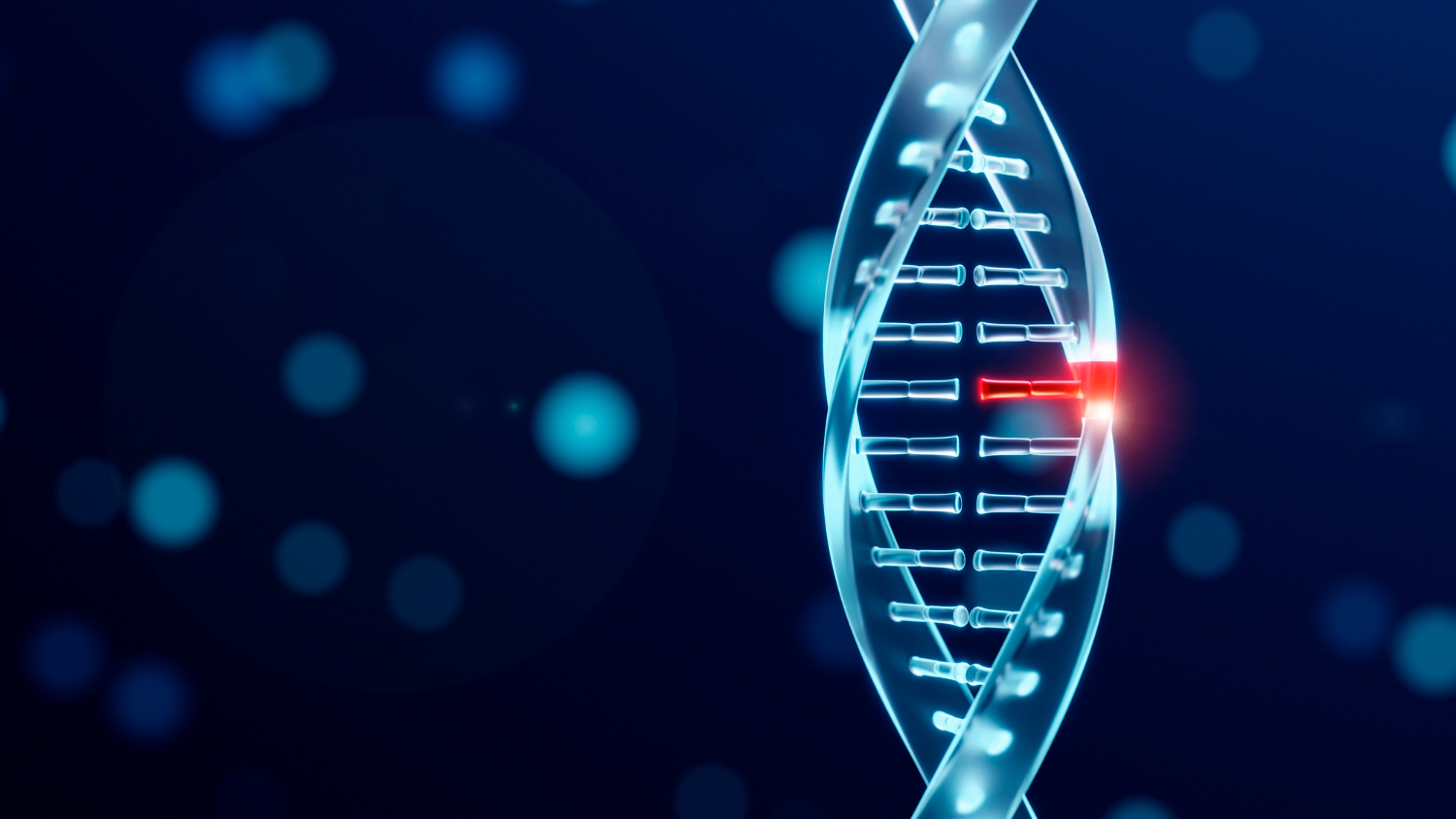
When DNA strands develop breaks or other damage, this is referred to as sperm DNA fragmentation (SDF).
A certain amount of DNA damage can occur naturally. The concern arises when the proportion of sperm carrying significant fragmentation becomes elevated.
This may affect reproductive processes that are not adequately reflected by sperm count, motility or morphology.
Can You Have Normal Semen Analysis but High DNA Fragmentation?
Yes.
This is one of the main reasons SDF testing has attracted clinical interest.
A conventional semen analysis measures parameters such as:
- Semen volume
- Sperm concentration
- Total sperm number
- Motility
- Morphology
These measurements remain essential for male-fertility assessment.
However, they do not directly measure sperm DNA integrity.
A man can therefore have semen parameters within expected ranges while still having elevated DNA fragmentation.
This may become particularly relevant when there is otherwise no clear explanation for infertility or repeated reproductive failure.
What Causes DNA Damage in Sperm?
Several biological and lifestyle factors can contribute.
One important mechanism is oxidative stress.
Reactive oxygen species are naturally present in the reproductive system, but excessive oxidative stress can damage sperm membranes and DNA.
Factors associated with increased fragmentation can include:
- Varicocele
- Smoking
- Chronic genital-tract inflammation or infection
- Oxidative stress
- Increasing paternal age
- Environmental exposures
- Heat exposure
- Some systemic illnesses
- Certain lifestyle factors
The European Association of Urology specifically identifies factors including varicocele, chronic infection, smoking and increasing male age as contributors associated with elevated SDF.
Identifying the cause can be important because some contributing factors may be modifiable.
How Is Sperm DNA Fragmentation Tested?
Several laboratory techniques are available.
Common methods include:
SCSA — Sperm Chromatin Structure Assay
TUNEL — detects DNA strand breaks directly
SCD — Sperm Chromatin Dispersion test
Comet assay — evaluates DNA migration patterns associated with damage
The result is often expressed as a DNA Fragmentation Index (DFI) or another assay-specific measure.
One important point is that different tests do not necessarily use identical thresholds.
A result therefore needs to be interpreted according to the particular laboratory method rather than applying one universal percentage to every assay.
Does High Sperm DNA Fragmentation Affect Natural Pregnancy?
Elevated SDF has been associated with reduced natural reproductive potential.
This makes biological sense: successful conception requires sperm not only to reach and fertilize the oocyte but also to deliver sufficiently intact paternal genetic material.
However, fertility always reflects the interaction of both partners.
Female age, ovarian reserve, ovulation, tubal function and other reproductive factors remain important.
A fragmentation result should therefore form part of the couple’s overall fertility assessment rather than being interpreted in isolation.
What Does It Mean for IVF?
Sperm DNA integrity may become particularly relevant during assisted reproduction.
A recent umbrella meta-analysis evaluated eight previous meta-analyses covering more than 25,000 ART cycles.
Elevated SDF was associated with a lower clinical pregnancy rate in conventional IVF. The same analysis also found a significant association between high fragmentation and lower live-birth probability in the IVF subgroup.
A separate systematic review and meta-analysis involving nearly 20,000 participants similarly concluded that high SDF can predict adverse reproductive outcomes, although its ability to discriminate outcomes for an individual couple remains limited.
This is why SDF is best considered an additional piece of reproductive information, rather than a stand-alone predictor of whether IVF will succeed.
What About ICSI?
ICSI allows an embryologist to inject a selected sperm directly into an oocyte.
This can overcome important barriers involving sperm number, motility and fertilization.
But ICSI does not automatically eliminate the biological consequences of damaged sperm DNA.
The 2025 umbrella meta-analysis found only a weak association between elevated SDF and clinical pregnancy following ICSI, but a substantially stronger association with pregnancy loss. In the included evidence, high SDF was associated with more than twice the risk of pregnancy loss in ICSI cycles.
This helps explain why DNA fragmentation may sometimes be considered even when ICSI is already planned.
Can Sperm DNA Fragmentation Affect Embryo Development?
The oocyte has some capacity to repair sperm DNA damage after fertilization.
How effectively this occurs can depend partly on the degree and type of DNA damage and on oocyte biology.
This creates an important interaction between male and female reproductive age.
When paternal DNA damage is substantial, embryo development may potentially be affected even when fertilization itself occurs.
Current European guidance recognizes elevated SDF as being associated with poorer ART outcomes, including impaired embryo development and recurrent pregnancy loss.
This is one reason fertilization rate alone does not always provide the complete picture of sperm contribution to embryo quality.
Sperm DNA Fragmentation and Miscarriage
One of the most clinically important associations concerns pregnancy loss.
Pregnancy can occur despite elevated DNA fragmentation, but several studies have associated high SDF with increased miscarriage risk.
The recent umbrella analysis found an overall association between elevated fragmentation and pregnancy loss, with the strongest relationship observed following ICSI.
This can make testing particularly relevant when a couple experiences recurrent pregnancy loss, especially when conventional semen parameters do not reveal an obvious explanation.
Who May Benefit from Testing?
DNA fragmentation testing is not necessary for every couple beginning a fertility evaluation.
It can provide more useful information in selected situations, including:
- Unexplained infertility
- Recurrent pregnancy loss
- Repeated IVF or ICSI failure
- Poor embryo development
- Clinical varicocele
- Significant male lifestyle or environmental risk factors
- Selected cases of otherwise unexplained male infertility
Recent clinical guidance favors this targeted approach rather than universal testing of every man undergoing fertility treatment.
The question should therefore be:
Will knowing the DNA fragmentation result potentially change what we do next?
Can High DNA Fragmentation Be Improved?
In some men, potentially modifiable causes can be identified.
Management may include addressing factors such as:
- Smoking
- Varicocele
- Excessive heat exposure
- Genital infection or inflammation
- Metabolic health
- Diet
- Physical activity
- Oxidative stress
Because sperm production takes approximately several months, improvements are generally assessed over time rather than after a few days.
Antioxidant strategies are also widely studied in male infertility, although supplementation should be individualized rather than assuming that increasingly high doses are always beneficial.
Why the 90-Day Period Matters
Sperm development is a continuous process.
This makes male fertility different from the female ovarian reserve: new sperm are continually being produced.
For couples planning IVF or ICSI, the months before treatment therefore represent an opportunity to address modifiable male factors.
A targeted preparation period may include assessment of:
lifestyle → nutrition → oxidative stress → varicocele → infection/inflammation → semen quality → DNA fragmentation.
This provides a natural opportunity to optimize male reproductive health before the sperm sample used for treatment is produced.
Can Different Sperm Be Selected for ICSI?
When high fragmentation persists, additional sperm-selection or retrieval strategies may sometimes be considered.
One particularly interesting approach involves the use of testicular sperm in selected non-azoospermic men with persistently high ejaculated SDF.
A 2025 systematic review and meta-analysis found lower fragmentation in testicular sperm and reported improved clinical pregnancy and live-birth outcomes with reduced miscarriage in selected ICSI patients. However, the authors also emphasized that the underlying evidence was limited in quality.
Because obtaining testicular sperm requires an invasive procedure, this is not a routine solution for every elevated DFI result. It is a specialized strategy for carefully selected cases.
Male Fertility Should Be Investigated Alongside Female Fertility
When IVF fails or embryos stop developing, attention can easily focus almost entirely on the woman.
Her AMH is examined.
Her age is discussed.
Her eggs are evaluated.
Her endometrium is investigated.
But an embryo contains genetic material from both partners.
A comprehensive fertility assessment should therefore consider male reproductive biology as seriously as ovarian and uterine factors.
At Chania Fertility Unit, male-fertility evaluation can be incorporated into the couple’s overall treatment strategy so that potentially relevant sperm factors are identified before deciding how to proceed with IVF or ICSI.
Frequently Asked Questions
What is a normal sperm DNA fragmentation level?
There is no single percentage that applies universally because different laboratory assays and thresholds are used. Results should be interpreted according to the testing method and clinical context.
Can you get pregnant with high sperm DNA fragmentation?
Yes. High fragmentation does not mean pregnancy is impossible. It is associated with reduced reproductive potential and, in some circumstances, poorer ART outcomes or increased pregnancy loss.
Can I have high DNA fragmentation with normal sperm count?
Yes. DNA integrity is a different sperm characteristic from concentration, motility and morphology.
Does ICSI solve sperm DNA fragmentation?
ICSI can overcome several sperm-related fertilization barriers, but it does not directly repair fragmented paternal DNA.
Is sperm DNA fragmentation linked to miscarriage?
Elevated SDF has been associated with increased pregnancy loss, including a strong association in ICSI cycles in a recent umbrella meta-analysis.
Can sperm DNA fragmentation improve?
In some men, addressing modifiable contributors such as smoking, varicocele, heat exposure, infection, metabolic health and other sources of oxidative stress may improve sperm health.
Sperm DNA Fragmentation: Looking Beyond the Semen Analysis
Sperm DNA fragmentation gives fertility specialists information that conventional semen parameters cannot fully provide.
It does not replace semen analysis.
It adds another layer.
This can be particularly valuable when a couple experiences unexplained infertility, recurrent miscarriage, poor embryo development or repeated assisted-reproduction failure despite apparently acceptable semen parameters.
The latest evidence supports an association between elevated SDF and several adverse reproductive outcomes, while also showing that its predictive value varies according to the treatment and patient population.
The objective is therefore not to test every man indiscriminately.
It is to identify situations where understanding sperm genetic integrity can reveal something clinically useful—and where that information can help guide the next fertility decision.