IVF Success Rates: What Really Determines Your Chance of Pregnancy?

2026-09-14T09:45:45+00:00September 14th, 2026|Categories: News|Tags: , , , , , , , |

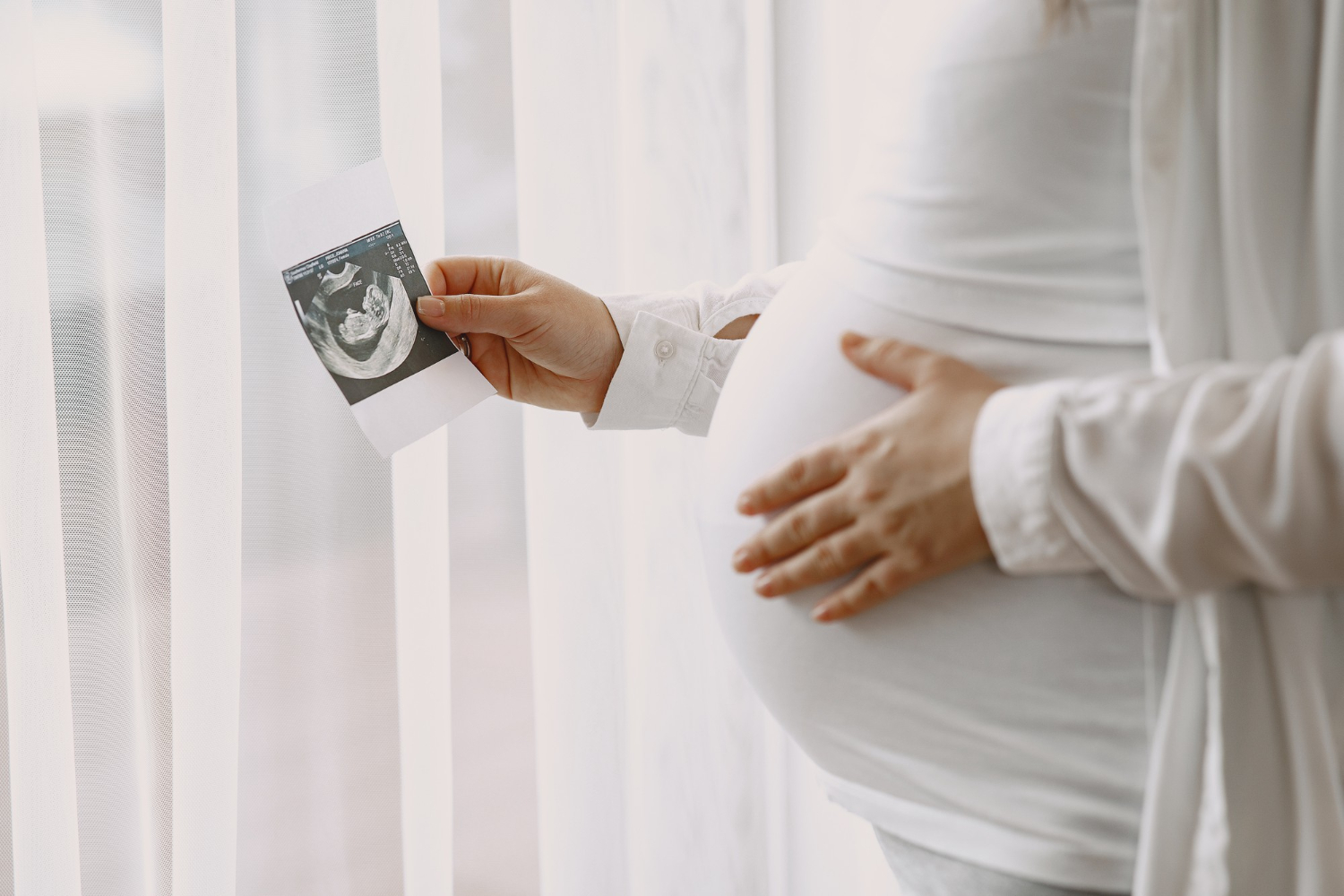
One of the first questions patients ask before IVF is: “What is my chance of success?” It sounds like a question that should have a simple percentage as an answer. It does not. IVF success rates are influenced by many interacting factors, and a percentage reported by a clinic, national registry or online calculator describes

Fertility IV Therapy: Can Vitamins and Nutrients Support IVF Preparation?

2026-09-14T09:33:46+00:00September 14th, 2026|Categories: News|Tags: , , , , , , , |

Preparing for fertility treatment involves more than choosing an IVF protocol. Egg and sperm development take place within a biological environment influenced by nutrition, metabolism, oxidative balance, hormonal function and general health. This has created growing interest in fertility IV therapy as a supportive strategy before or alongside assisted reproduction. Intravenous therapy delivers selected vitamins,

How to Improve Sperm Quality Before IVF or ICSI: A 90-Day Fertility Preparation Guide

2026-09-14T08:42:08+00:00September 14th, 2026|Categories: News|Tags: , , , , , , , |

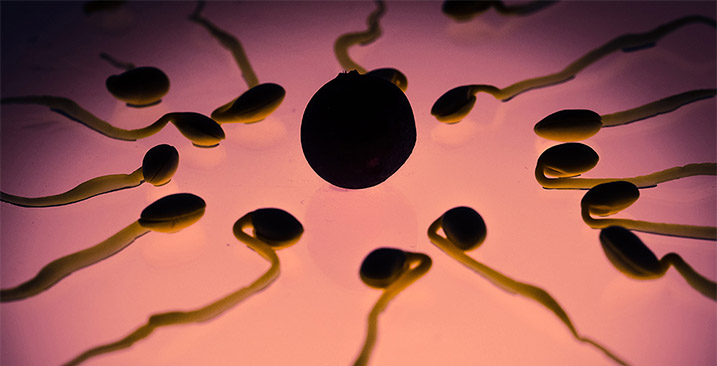
When couples prepare for IVF, much of the attention naturally falls on the woman: ovarian reserve, stimulation medication, egg quality and endometrial preparation. But sperm quality before IVF matters too. The sperm used on the day of fertilization began developing weeks earlier. This creates an important opportunity: rather than waiting until egg retrieval to think

Sperm DNA Fragmentation: What It Means for Male Fertility, IVF and ICSI

2026-09-14T08:36:49+00:00September 14th, 2026|Categories: News|Tags: , , , , , , |

A semen analysis may show a normal sperm concentration, good motility and acceptable morphology—and yet pregnancy may still not occur. One possible reason is that conventional semen analysis evaluates how sperm look and move, but provides limited information about the integrity of the genetic material they carry. Sperm DNA fragmentation examines a different dimension of

AMH, FSH and AFC Explained: What Your Ovarian Reserve Tests Really Tell You

2026-09-14T08:32:58+00:00September 14th, 2026|Categories: News|Tags: , , , , , , , , , |

If you have undergone a fertility assessment, you have probably encountered three abbreviations: AMH, FSH and AFC. These are among the most commonly used ovarian reserve tests, but they do not all measure the same thing—and they certainly do not provide a simple percentage chance of becoming pregnant. A woman can have low AMH and

Early Menopause and Fertility: Is Ovarian Function Ever Possible to Restore?

2026-09-14T08:20:29+00:00September 14th, 2026|Categories: News|Tags: , , , , , , , |

Being told that your ovarian reserve is very low—or that you may be approaching menopause earlier than expected—can make pregnancy seem impossible. But early menopause and fertility are more complex than a simple “fertile or infertile” diagnosis. Ovarian function declines along a continuum. Some women experience diminished ovarian reserve while still menstruating regularly. Others enter

Exosome Therapy for Female Fertility: How Regenerative Cell Signaling May Support Ovarian and Endometrial Health

2026-09-14T08:05:11+00:00September 14th, 2026|Categories: News|Tags: , , , , , , , |

Exosome therapy for female fertility represents one of the most rapidly developing areas of regenerative reproductive medicine. Unlike conventional fertility treatments that primarily act through hormones, medications or laboratory-assisted reproduction, exosome-based approaches focus on something more fundamental: communication between cells. Every tissue in the reproductive system depends on continuous molecular communication. Ovarian cells communicate with

Uterine Rejuvenation with PRP: Endometrial Regeneration & IVF

2026-09-14T07:50:54+00:00September 14th, 2026|Categories: News|Tags: , , , , , , , |

Uterine rejuvenation with PRP is an increasingly important area of regenerative reproductive medicine, particularly for women experiencing persistent thin endometrium, difficult endometrial development or repeated implantation failure. Successful IVF depends on more than producing a good embryo. For pregnancy to begin, the embryo must interact successfully with a receptive and biologically active endometrium—the specialized tissue

Thin Endometrium and IVF: How to Improve Endometrial Thickness

2026-09-14T08:01:46+00:00September 14th, 2026|Categories: News|Tags: , , , , , , , |

Thin endometrium and IVF can be a frustrating combination for patients preparing for embryo transfer. The embryos may be developing well, ovarian stimulation may have been successful and everything may appear ready for transfer—except that the endometrial lining remains thinner than expected. This often leads to an important question: “Can my endometrium be improved before

Recurrent Implantation Failure: Why Good Embryos Sometimes Don’t Implant

2026-09-14T07:39:31+00:00September 14th, 2026|Categories: News|Tags: , , , , , , , |

Recurrent implantation failure can be one of the most frustrating experiences during IVF treatment. Everything may appear to be going well. Good-quality embryos have developed. The endometrium appears suitable. Embryo transfer is uncomplicated. Yet pregnancy does not occur. After repeated unsuccessful embryo transfers, many patients understandably ask: “If the embryos are good, why don't

    Your Name (required)

    Your Email (required)

    Phone

    Country

    Your Message

    Go to Top