
Stem Cell Therapy for Female Fertility, Ovarian Aging & Menopause

2026-09-14T08:15:17+00:00September 14th, 2026|Categories: News|Tags: , , , , , , , |

Female fertility does not decline suddenly at menopause. It changes progressively as the ovaries age, often beginning years before menstrual cycles stop. During this transition, women may experience reduced ovarian reserve, poorer response to IVF stimulation, irregular cycles and eventually perimenopause, followed by menopause and postmenopause. For women who still wish to conceive—particularly those experiencing
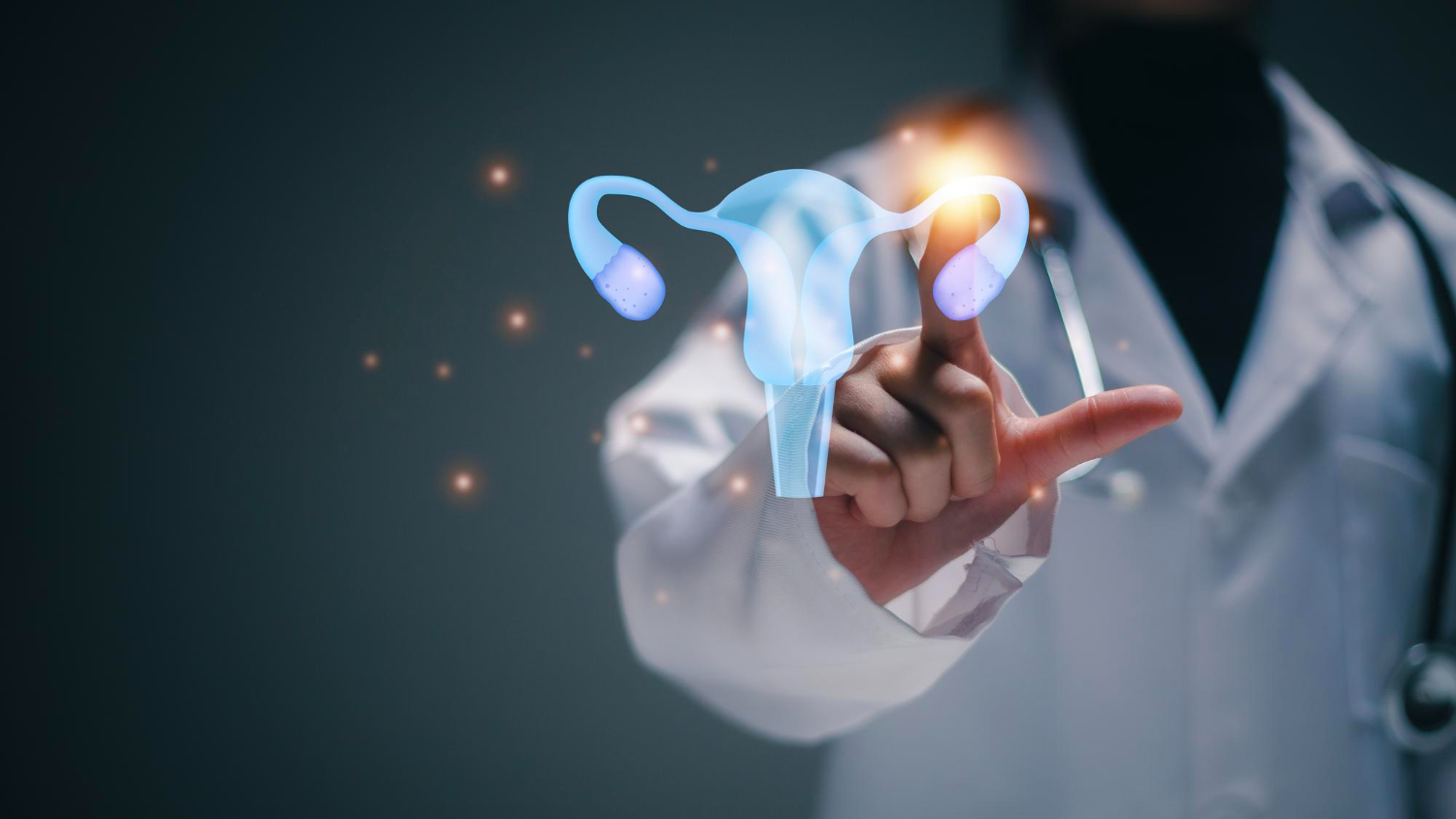
Exosome Therapy for Female Fertility: How Regenerative Cell Signaling May Support Ovarian and Endometrial Health

2026-09-14T08:05:11+00:00September 14th, 2026|Categories: News|Tags: , , , , , , , |

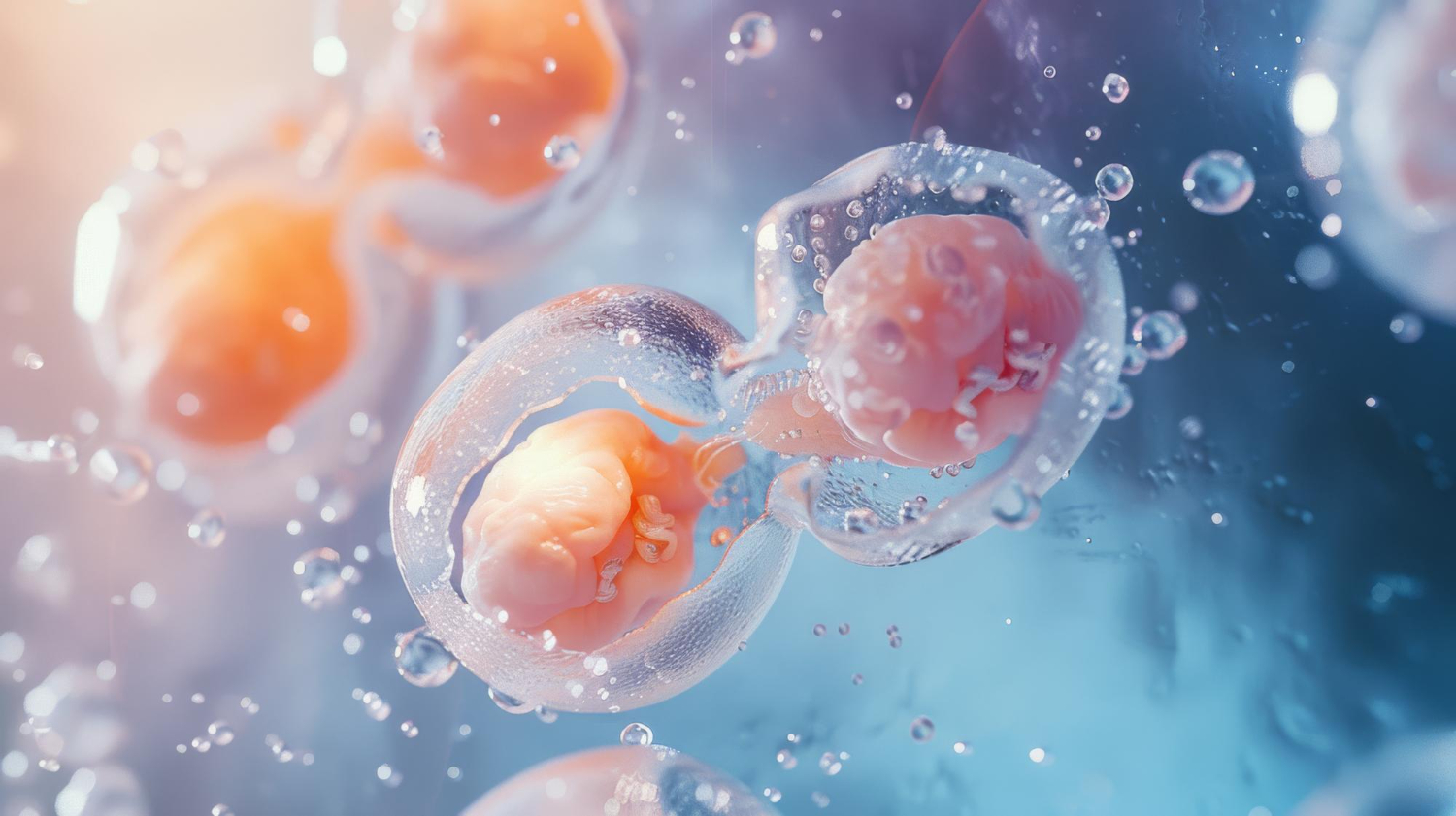
Exosome therapy for female fertility represents one of the most rapidly developing areas of regenerative reproductive medicine. Unlike conventional fertility treatments that primarily act through hormones, medications or laboratory-assisted reproduction, exosome-based approaches focus on something more fundamental: communication between cells. Every tissue in the reproductive system depends on continuous molecular communication. Ovarian cells communicate with

PRP vs Exosomes vs Stem Cells for Ovarian Rejuvenation: What is the difference?

2026-09-10T11:38:54+00:00September 10th, 2026|Categories: News|Tags: , , , , , , , , , , , |

Regenerative medicine is attracting increasing attention in fertility care, particularly among women with diminished ovarian reserve, low AMH, poor ovarian response or age-related decline in ovarian function. Three approaches frequently discussed are Platelet-Rich Plasma (PRP), exosome therapy and stem cell therapy. Although all three are associated with regenerative medicine, they are not the same treatment.

    Your Name (required)

    Your Email (required)

    Phone

    Country

    Your Message

    Go to Top