

Fertility IV Therapy: Can Vitamins and Nutrients Support IVF Preparation?
Preparing for fertility treatment involves more than choosing an IVF protocol.
Egg and sperm development take place within a biological environment influenced by nutrition, metabolism, oxidative balance, hormonal function and general health. This has created growing interest in fertility IV therapy as a supportive strategy before or alongside assisted reproduction.
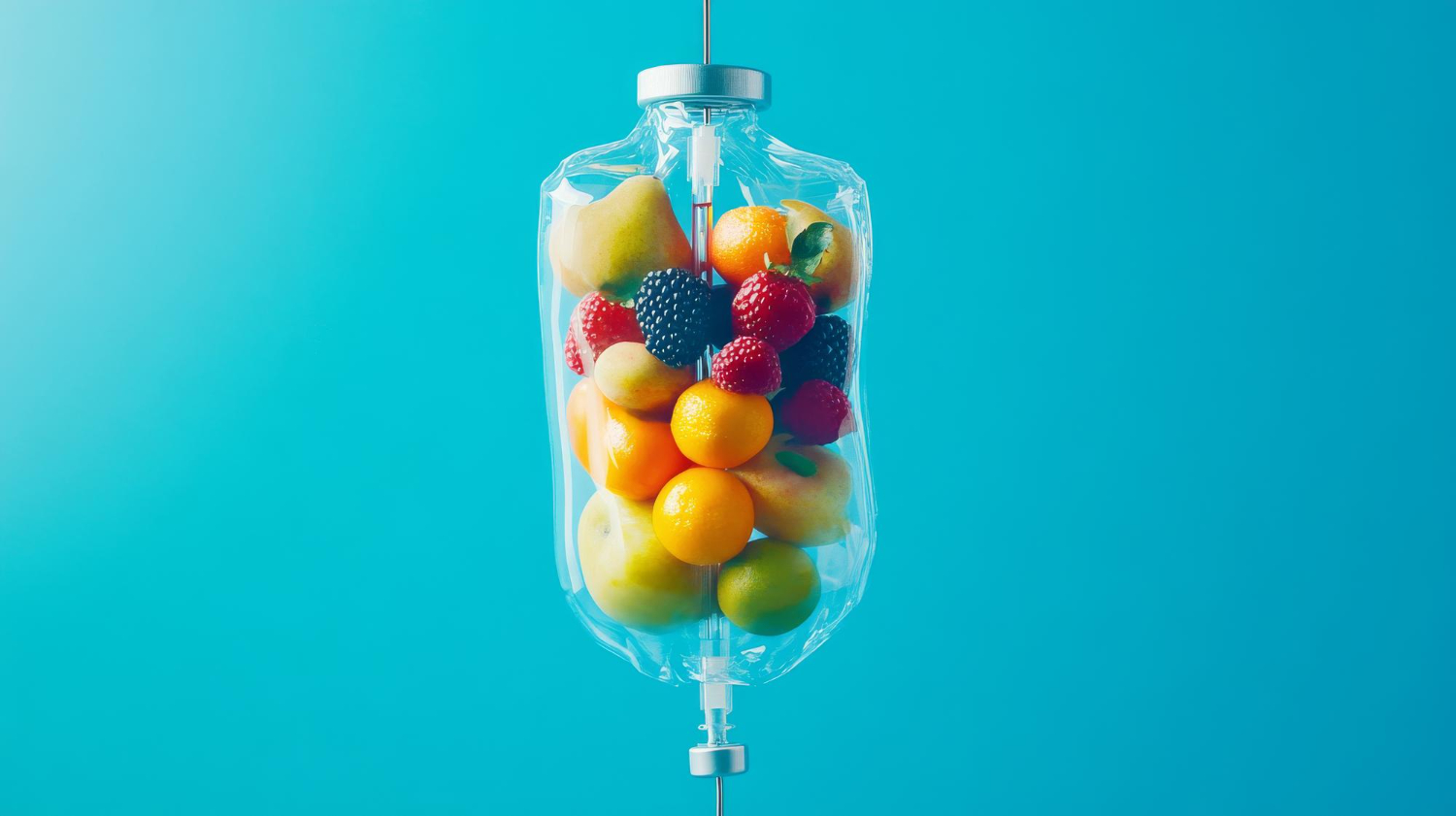
Intravenous therapy delivers selected vitamins, minerals and other nutrients directly into the bloodstream rather than through the gastrointestinal tract.
But what can fertility IV therapy realistically contribute?
Its most useful role is not as a replacement for IVF or fertility treatment. It is better understood as one potential component of a broader preconception and fertility-support program, particularly when nutritional or metabolic needs have been identified.
Why Nutrition Matters Before Fertility Treatment
Reproduction is biologically demanding.
Developing ovarian follicles, sperm production, hormone synthesis, cellular division and early embryo development all depend on normal cellular metabolism.
Micronutrients participate in processes including:
- DNA synthesis
- Mitochondrial energy production
- Antioxidant defense
- Cell division
- Red-blood-cell formation
- Immune function
- Hormonal metabolism
Deficiency or inadequate intake of important nutrients can therefore affect general and reproductive health.
This does not mean that increasingly high doses produce increasingly better fertility.
The objective is nutritional adequacy and metabolic support, not nutritional excess.
What Is Different About IV Nutrient Delivery?
Most vitamins and minerals are normally obtained through food and, when needed, oral supplementation.
With IV therapy, nutrients enter the circulation directly.
This bypasses gastrointestinal absorption.
That distinction may be relevant in selected circumstances—for example, when gastrointestinal absorption is impaired or when a specific clinical nutritional strategy has been recommended.
However, the route of administration itself does not automatically make a nutrient more effective for fertility.
A successful fertility-support plan therefore begins by asking:
What does this patient actually need?
rather than:
How many nutrients can we put into an infusion?
Which Nutrients Matter for Female Reproductive Health?
Several micronutrients have important physiological roles in female reproductive health.
Folate
Folate is essential for DNA synthesis and cellular division.
Adequate folate status is particularly important before conception and during early pregnancy because of its established role in reducing the risk of fetal neural-tube defects.
This is why preconception folic-acid supplementation is routinely recommended.
Vitamin D
Vitamin D receptors are found throughout reproductive tissues, and vitamin D has been investigated in relation to ovarian function, endometrial biology and assisted reproduction.
Deficiency is common in many populations.
Correcting a genuine deficiency is reasonable for overall health and preconception care, although vitamin D should not be treated as a stand-alone IVF treatment.
Vitamin B12
Vitamin B12 participates in DNA synthesis, red-blood-cell production and neurological function.
Deficiency deserves particular attention in women following restrictive diets, those with malabsorption disorders and other at-risk groups.
Iron
Iron deficiency can occur in reproductive-age women, particularly in those experiencing heavy menstrual bleeding.
Assessment becomes important because iron requirements also increase during pregnancy.
Iron supplementation—oral or intravenous—should be based on appropriate clinical evaluation rather than automatically included in every fertility program.
Oxidative Stress and Reproductive Cells
Another reason nutrients attract attention in reproductive medicine is oxidative stress.
Reactive oxygen species are normal products of cellular metabolism.
Problems can arise when their production exceeds the body’s antioxidant capacity.
Oocytes and sperm are metabolically active cells, and oxidative stress has been studied extensively in relation to reproductive aging, sperm function and infertility.
Antioxidant systems depend partly on nutrients obtained through diet.
However, oxidative balance is more complicated than simply taking the largest possible antioxidant dose.
Reactive oxygen species also perform normal biological functions.
The objective should therefore be balance, not complete suppression.
Can Nutritional Support Improve Egg Quality?
This question needs careful wording.
Nutrition supports the physiological environment in which follicles develop, but it cannot change a woman’s chronological age or guarantee that an oocyte will be chromosomally normal.
This becomes particularly important after 35 and 40.
A woman preparing for IVF may improve her nutritional status, metabolic health, sleep, physical activity and other modifiable factors.
These changes support general reproductive health.
But they should not be confused with reversing the age-related increase in oocyte aneuploidy.
For women with diminished ovarian reserve, the same principle applies: nutritional optimization can support health, but it does not create a new ovarian follicular reserve.
Fertility IV Therapy Before IVF
The period before ovarian stimulation provides a practical opportunity to evaluate nutritional and metabolic health.
Depending on the patient, assessment might include factors such as:
- Dietary pattern
- Body weight and metabolic health
- Vitamin deficiencies
- Iron status
- Vitamin D status
- Relevant medical conditions
- Current supplements
- Medications
- Previous fertility treatment
A fertility IV program can then be considered within this wider picture rather than offered identically to every patient.
At Chania Fertility Unit, this personalized approach is reflected in supportive IV programs designed around different reproductive needs.
What Is Ovarian Boost IV?
Ovarian Boost IV is directed toward women preparing for fertility treatment where ovarian health and metabolic support are priorities.
This may be particularly relevant in women dealing with:
- Ovarian aging
- Diminished ovarian reserve
- Low AMH
- Previous poor ovarian response
- Preparation for IVF
The biological objective differs from ovarian PRP, stem-cell therapy or exosome therapy.
Those approaches act locally through regenerative mechanisms directed toward ovarian tissue.
IV nutritional therapy instead provides systemic nutritional support.
Keeping this distinction clear is important because the therapies should not be presented as interchangeable.
Fertility Support During Perimenopause
Women approaching perimenopause often become particularly interested in treatments advertised as improving egg quality or reversing ovarian aging.
Nutritional health remains important during this period, but perimenopause represents a biological decline in follicular number and increasing reproductive age.
IV nutrients cannot restore the original ovarian reserve.
Where nutritional deficiencies or metabolic issues exist, however, correcting them can form part of preparing the woman’s general health for fertility treatment and potential pregnancy.
The same distinction applies to early menopause and premature ovarian insufficiency: nutritional support and regenerative ovarian treatment have different biological objectives.
Does Fertility IV Therapy Have a Role for Men?
Potentially.
Sperm production is continuous and is influenced by general metabolic and nutritional health.
Several nutrients are involved in antioxidant defense, mitochondrial function and normal spermatogenesis.
For this reason, male fertility preparation can include nutritional assessment alongside lifestyle modification, semen analysis and investigation of relevant male factors.
Chania Fertility Unit’s Sperm Boost / Sperm Booster IV can be incorporated into an individualized male preparation strategy where appropriate.
However, an infusion should not distract from treatable causes such as smoking, varicocele, anabolic-steroid use, infection or major metabolic problems.
Those factors need to be addressed directly.
IV Therapy, PRP, Exosomes and Stem Cells Serve Different Purposes
One advantage of personalized fertility medicine is that treatments do not need to compete with each other.
They can address different biological targets.
IV nutritional therapy provides systemic nutritional and metabolic support.
PRP and enriched PRP deliver autologous regenerative signals locally.
Exosome therapy focuses on cell-to-cell signaling.
Stem-cell-based approaches target broader regenerative cellular and paracrine pathways.
A patient does not necessarily need all of them.
The relevant question is which biological problem is actually being addressed.
This prevents fertility care from becoming a collection of “add-ons” and instead allows supportive and regenerative treatments to be integrated around a defined objective.
Is an IV Better Than Oral Vitamins?
Not automatically.
For many people, a balanced diet and appropriate oral supplementation are sufficient.
IV administration becomes more relevant when there is a clinical reason to prefer intravenous delivery or when it forms part of a specifically designed medical protocol.
This is why fertility IV therapy should be personalized rather than used as a universal replacement for oral supplementation.
The route should follow the patient’s needs—not marketing.
What Should Be Checked Before Starting?
A useful fertility-support assessment can include medical history, diet, current supplementation and relevant laboratory findings.
This also helps avoid unnecessary duplication.
For example, a patient may already be taking:
a prenatal vitamin + additional folate + vitamin D + antioxidant products + separate fertility supplements.
Adding further nutrients without reviewing the total intake may be unnecessary.
Personalization therefore means knowing not only what to add, but also what does not need to be added.
Frequently Asked Questions
When should fertility IV therapy start before IVF?
Timing depends on the purpose of treatment and the patient’s nutritional status. Fertility preparation is generally more meaningful when planned in advance rather than beginning immediately before egg retrieval.
Can IV vitamins improve egg quality?
Nutrients support normal cellular and reproductive physiology, but IV vitamins cannot guarantee improved egg quality or reverse age-related chromosome changes in oocytes.
Is fertility IV therapy useful for low AMH?
Low AMH primarily reflects reduced ovarian reserve. Nutritional support may form part of overall fertility preparation, but it should be distinguished from treatments specifically directed toward ovarian tissue and follicular activity.
Can women in perimenopause use fertility IV therapy?
Yes, nutritional support can be considered when clinically appropriate. However, perimenopausal fertility is strongly influenced by declining follicular number and reproductive age, so IV therapy should be incorporated into a realistic fertility strategy.
Can men receive fertility IV therapy?
Yes. Male fertility-support programs can focus on nutritional and metabolic factors relevant to sperm development, ideally alongside appropriate semen and medical assessment.
Can fertility IV therapy be combined with IVF or regenerative treatment?
It can be incorporated into a broader individualized program. Nutritional IV therapy, IVF and regenerative approaches address different aspects of reproductive health and should be selected according to the patient’s needs.
Fertility IV Therapy: Support the Patient, Not Just the IVF Cycle
The most useful way to think about fertility IV therapy is not as a shortcut to pregnancy.
It is part of a broader question:
Is the patient entering fertility treatment in the best nutritional and metabolic condition possible?
For one woman, the priority may be correcting a deficiency.
For another, it may be improving metabolic health before IVF.
A woman with diminished ovarian reserve may require a strategy centered on ovarian response.
A woman in perimenopause may need a time-sensitive fertility plan.
A male partner may require targeted preparation to support sperm development.
At Chania Fertility Unit, Fertility Vitamin IV, Ovarian Boost IV and Sperm Booster IV can therefore be considered within the wider fertility strategy rather than as isolated treatments.
The goal is personalization: identifying what can realistically be optimized and integrating that support with IVF, male-fertility treatment or regenerative medicine when appropriate.