

Exosome Therapy for Female Fertility: How Regenerative Cell Signaling May Support Ovarian and Endometrial Health
Exosome therapy for female fertility represents one of the most rapidly developing areas of regenerative reproductive medicine.
Unlike conventional fertility treatments that primarily act through hormones, medications or laboratory-assisted reproduction, exosome-based approaches focus on something more fundamental:
communication between cells.
Every tissue in the reproductive system depends on continuous molecular communication. Ovarian cells communicate with developing follicles. Cells within the endometrium coordinate growth, vascularization and implantation. Embryos exchange signals with the maternal reproductive tract.
Exosomes form part of this communication network.
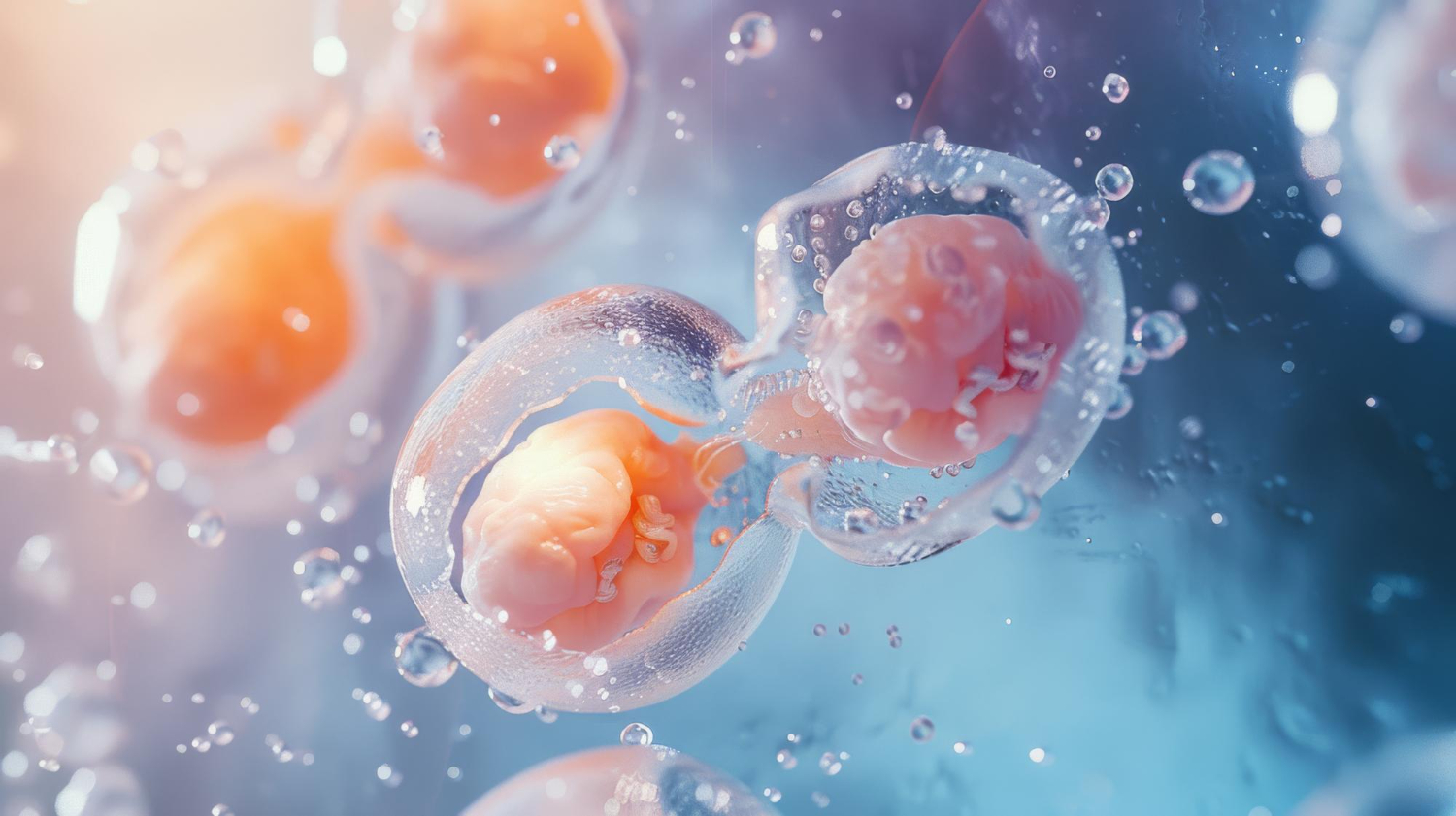
These microscopic extracellular vesicles can carry proteins, lipids, growth-related molecules, messenger RNA and microRNAs from one cell to another, potentially influencing the behavior of recipient cells.
For reproductive medicine, this creates several areas of interest.
Exosome-based regenerative strategies are being studied for their potential role in:
- Ovarian function
- Follicular development
- Granulosa-cell health
- Ovarian aging
- Diminished ovarian reserve
- Premature ovarian insufficiency
- Endometrial regeneration
- Angiogenesis
- Thin endometrium
- Embryo implantation
- Tissue repair
- Inflammatory regulation
Recent scientific reviews increasingly describe extracellular vesicles as important mediators of female reproductive physiology and as potential therapeutic tools within regenerative fertility medicine.
What Are Exosomes?
Exosomes are extremely small membrane-bound vesicles released by cells.
They belong to the wider family of extracellular vesicles, often abbreviated as EVs.
Exosomes are commonly described as approximately 30–150 nanometers in diameter, although classification of extracellular vesicles is becoming increasingly sophisticated.
Their small size should not be mistaken for biological simplicity.
Inside these vesicles can be a complex collection of molecular information, including:
- Proteins
- Lipids
- Messenger RNA
- MicroRNA
- Regulatory molecules
- Enzymes
- Cell-signaling factors
Once released from one cell, exosomes can travel through the surrounding tissue or biological fluids and interact with other cells.
The recipient cell may then respond to the biological cargo carried within the vesicle.
This makes exosomes an important form of intercellular communication.
A 2026 review of extracellular-vesicle therapy in reproductive disorders describes exosomes as active mediators of paracrine communication capable of transferring signaling molecules and altering biological pathways within target cells.
Why Are Exosomes Important in Female Reproduction?
Female reproduction depends heavily on communication between different cell populations.
Within the ovary, developing follicles contain several interacting cell types.
The oocyte communicates with:
- Granulosa cells
- Cumulus cells
- Theca cells
- Stromal cells
- Blood vessels
- Immune cells
Similarly, the reproductive tract creates a highly dynamic environment in which molecular signals help regulate:
- Oocyte maturation
- Follicular development
- Ovulation
- Fertilization
- Embryo development
- Endometrial preparation
- Embryo implantation
Extracellular vesicles have been identified in reproductive fluids including follicular fluid, oviductal fluid and uterine fluid.
Their presence in these environments suggests that they are not merely by-products of cellular activity.
They are part of the communication system of reproduction itself.
A 2025 review of extracellular vesicles in female reproduction highlighted their involvement in maternal–gamete and maternal–embryo communication and their potential applications in fertility treatments and reproductive biotechnology.
How Does Exosome Therapy for Female Fertility Work?
The concept behind exosome therapy for female fertility is to use biologically active extracellular vesicles to influence the environment surrounding reproductive tissues.
Many regenerative applications focus on exosomes produced by mesenchymal stromal/stem cells, or MSCs.
MSCs release a complex mixture of signaling molecules.
Research over the last decade has increasingly shown that many effects previously attributed directly to transplanted stem cells may actually occur through the molecules those cells release.
This is known as a paracrine effect.
Exosomes are an important component of that signaling.
They may influence recipient cells through pathways involved in:
- Cell survival
- Cell proliferation
- Angiogenesis
- Mitochondrial function
- Oxidative stress
- Inflammation
- Fibrosis
- Apoptosis
- Tissue repair
- Cellular regeneration
This provides the scientific rationale for investigating exosome-based approaches in ovarian and endometrial regeneration.
Exosomes and Ovarian Function
The ovary is one of the principal targets of regenerative fertility research.
Healthy ovarian function depends on a complex microenvironment supporting follicles at different developmental stages.
A follicle is not simply an egg surrounded by tissue.
It is an organized biological structure involving continuous communication between the oocyte and surrounding cells.
Changes associated with reproductive aging, oxidative stress, inflammation and cellular dysfunction can interfere with this environment.
Exosomes derived from mesenchymal stromal/stem cells are being investigated for their ability to influence several of these processes.
Experimental research has identified effects involving:
- Granulosa-cell survival
- Reduction of apoptosis
- Oxidative-stress regulation
- Mitochondrial function
- Angiogenesis
- Follicular development
- Hormonal signaling
These mechanisms have created particular interest in women with reduced ovarian function.
Diminished Ovarian Reserve and Exosome Therapy
Diminished ovarian reserve describes a reduction in the remaining pool of recruitable ovarian follicles relative to reproductive age.
Women with diminished ovarian reserve may experience:
- Low AMH
- Low Antral Follicle Count
- Reduced response to ovarian stimulation
- Fewer eggs retrieved during IVF
The biological challenge extends beyond simply measuring AMH.
Researchers are increasingly interested in the ovarian microenvironment surrounding the remaining follicles.
This environment includes blood vessels, stromal tissue, immune signaling, oxidative balance and interactions between ovarian cells.
Regenerative fertility strategies therefore investigate whether supporting this microenvironment may influence ovarian activity.
Exosome therapy for female fertility is particularly interesting in this context because exosomes can deliver multiple biological signals simultaneously rather than targeting only one pathway.
Exosomes and Granulosa Cells
Granulosa cells play a critical role in follicular development.
They surround the developing oocyte and contribute to:
- Nutrient supply
- Hormone production
- Follicular signaling
- Oocyte maturation
- Communication within the follicle
Granulosa-cell dysfunction is associated with ovarian aging and several forms of ovarian insufficiency.
Experimental studies of MSC-derived exosomes have reported effects on pathways regulating granulosa-cell apoptosis, oxidative stress, autophagy and mitochondrial function.
A 2026 systematic review examining MSC-derived exosomes in premature ovarian failure identified multiple mechanisms involving PI3K/AKT, SIRT1/FOXO1, SMAD signaling, oxidative-stress pathways and regulation of granulosa-cell survival.
This molecular diversity is one of the most interesting aspects of exosome-based therapy.
Instead of acting through a single hormone or receptor, exosomes may influence several interconnected cellular pathways.
Exosomes, Oxidative Stress and Ovarian Aging
Oxidative stress occurs when the production of reactive oxygen species exceeds the capacity of cellular antioxidant systems.
In reproductive tissues, excessive oxidative stress can affect:
- Mitochondria
- DNA
- Cell membranes
- Granulosa-cell function
- Follicular development
- Oocyte competence
Oxidative stress is therefore one of the biological processes frequently studied in relation to ovarian aging.
Exosome cargo can include regulatory molecules capable of influencing antioxidant pathways, mitochondrial function and cellular stress responses.
This has led researchers to investigate whether exosome-mediated signaling may help create a more favorable ovarian microenvironment.
Recent research has even explored engineered exosomes for protecting ovarian tissue from chemotherapy-induced damage, demonstrating the expanding regenerative potential of this technology.
Exosome Therapy and Premature Ovarian Insufficiency
Premature ovarian insufficiency, or POI, involves loss or substantial reduction of ovarian function before the age of 40.
It is biologically different from diminished ovarian reserve, although the two conditions can share certain characteristics.
Because POI involves substantial dysfunction within ovarian tissue, it has become an important model for regenerative research.
Studies of MSC-derived exosomes have investigated effects on:
- Follicular survival
- Estrogen production
- FSH levels
- Granulosa-cell apoptosis
- Angiogenesis
- Oxidative damage
- Mitochondrial function
A 2026 systematic review covering studies published between 2016 and 2025 found encouraging effects across several experimental models, including changes in estrogen levels, FSH, antral follicle counts and pathways associated with follicular development.
This research is helping scientists identify which molecular signals may be most important for supporting ovarian tissue.
Exosomes and Angiogenesis
Healthy reproductive tissues depend on blood supply.
Every developing ovarian follicle requires access to oxygen, nutrients, hormones and signaling molecules.
The endometrium also undergoes extensive vascular remodeling during preparation for implantation.
Angiogenesis, the formation of new blood vessels, is therefore central to both ovarian and endometrial biology.
Exosomes can carry molecules and microRNAs capable of influencing endothelial cells and vascular signaling.
This angiogenic potential is one reason exosome-based regenerative medicine is being investigated for both:
- Ovarian rejuvenation
- Endometrial regeneration
The ability to influence several interconnected processes—vascularization, inflammation, cellular survival and tissue repair—distinguishes exosome therapy from treatments aimed at only one pathway.
Exosome Therapy and Egg Quality
Patients frequently ask whether exosome therapy can improve egg quality.
This requires an important distinction.
Egg quality is strongly influenced by female age and chromosome biology.
No regenerative strategy should therefore be reduced to the claim that it simply “makes old eggs young.”
The more scientifically meaningful question is whether regenerative signaling can support the ovarian environment in which follicles and oocytes develop.
Potential mechanisms under investigation include:
- Reduced oxidative stress
- Improved mitochondrial signaling
- Granulosa-cell support
- Improved tissue vascularization
- Regulation of inflammation
- Improved cellular communication
These processes may influence the biological conditions surrounding follicular development.
This represents a more precise way to understand the potential relationship between regenerative medicine and oocyte competence.
Exosome Therapy and IVF
Exosome-based regenerative treatment does not need to be viewed separately from IVF.
Instead, regenerative medicine and assisted reproduction can be integrated.
IVF addresses several essential steps:
Ovarian stimulation → egg retrieval → fertilization → embryo culture → embryo transfer.
Regenerative therapies focus on the biological tissues supporting those processes.
For example:
A woman with diminished ovarian response may receive a regenerative ovarian strategy before a subsequent IVF cycle.
A patient with difficult endometrial development may receive treatment aimed at supporting endometrial regeneration before frozen embryo transfer.
A woman with both ovarian and uterine factors may require a broader fertility strategy.
This integration is one of the most important directions in personalized regenerative reproductive medicine.
Exosomes and Endometrial Regeneration
The potential applications of exosomes extend beyond the ovaries.
The endometrium is an exceptionally regenerative tissue.
Every menstrual cycle requires extensive:
- Cellular proliferation
- Tissue remodeling
- Vascular development
- Immune regulation
- Differentiation
- Controlled inflammation
When endometrial regeneration becomes impaired, fertility problems can arise.
Examples include:
- Thin endometrium
- Intrauterine adhesions
- Previous uterine injury
- Poor endometrial response
- Repeated implantation difficulties
Exosomes have attracted considerable attention because the same regenerative signals relevant to ovarian tissue—angiogenesis, anti-inflammatory signaling, reduction of fibrosis and cellular repair—are also relevant to the endometrium.
A 2026 review of endometrial regenerative medicine includes exosomes alongside PRP, stem cells, biomaterials and other regenerative strategies being developed to improve functional reconstruction of damaged endometrium.
Exosomes and Thin Endometrium
A persistently thin endometrium can complicate embryo-transfer preparation.
Traditional strategies frequently focus on increasing estrogen exposure.
However, when the tissue repeatedly fails to respond, researchers increasingly examine deeper mechanisms involving:
- Poor vascular development
- Fibrosis
- Impaired cellular proliferation
- Previous tissue damage
- Inflammation
- Altered regenerative signaling
Exosomes are particularly relevant because they can transport molecules involved in many of these pathways.
Experimental studies have demonstrated exosome-associated improvements in angiogenesis and tissue regeneration in models of damaged or thin endometrium.
Research using exosome-containing biomaterials has also demonstrated reduction of fibrosis and enhancement of endometrial repair in experimental models.
This creates a strong scientific rationale for further development of exosome-based uterine regeneration.
Exosomes and Embryo Implantation
Successful implantation requires communication between embryo and endometrium.
This interaction involves:
- Cytokines
- Growth factors
- Adhesion molecules
- Immune cells
- Extracellular vesicles
- MicroRNAs
- Hormonal signals
Exosomes are naturally present within the reproductive tract and appear to participate in maternal–embryo communication.
Research in assisted reproduction increasingly explores whether extracellular vesicles could eventually be used not only therapeutically but also diagnostically—as biomarkers of embryo competence or reproductive-tissue health.
This makes exosome biology particularly relevant to recurrent implantation failure.
Instead of treating implantation as a purely mechanical event, reproductive medicine is increasingly studying the molecular dialogue between embryo and uterus.
Could Exosomes Support Recurrent Implantation Failure?
Women with recurrent implantation failure represent a particularly heterogeneous group.
Potential factors may include:
- Embryo competence
- Chromosomal status
- Endometrial development
- Uterine anatomy
- Adenomyosis
- Chronic inflammation
- Altered implantation signaling
- Male fertility factors
For patients in whom the endometrial environment appears to represent an important component, regenerative approaches may provide an additional therapeutic direction.
Exosomes are particularly interesting because they can influence cellular communication, angiogenesis, tissue repair and inflammatory pathways—all of which are relevant to endometrial receptivity.
This creates a natural connection between exosome therapy for female fertility and the growing field of uterine rejuvenation.
Exosomes and Inflammation
Inflammation is not inherently harmful to fertility.
Controlled inflammatory signaling is actually necessary for ovulation, tissue remodeling and implantation.
The problem arises when inflammatory pathways become dysregulated.
Chronic inflammation may alter:
- Ovarian-cell function
- Endometrial biology
- Angiogenesis
- Tissue fibrosis
- Cellular signaling
Exosomal cargo can influence cytokine production and immune-cell behavior.
This immunomodulatory potential is therefore another important component of regenerative fertility research.
Rather than simply suppressing inflammation, the objective is to support a more balanced tissue environment.
Exosomes and Fibrosis
Fibrosis refers to excessive formation of scar-like connective tissue.
Within the reproductive system, fibrosis may be relevant to:
- Ovarian aging
- Previous ovarian injury
- Intrauterine adhesions
- Endometrial damage
Research suggests that stem-cell-derived extracellular vesicles may influence pathways associated with fibrotic tissue formation and extracellular matrix remodeling.
This is especially interesting for regenerative approaches targeting damaged endometrial tissue.
Where Do Therapeutic Exosomes Come From?
Exosomes can be released by many different cell types.
In regenerative medicine, one of the most important sources is mesenchymal stromal/stem cells.
Potential MSC sources include:
- Adipose tissue
- Bone marrow
- Umbilical-cord tissue
- Placental tissue
- Other mesenchymal tissues
The biological cargo of exosomes can vary according to:
- Cell source
- Cell condition
- Culture environment
- Isolation method
- Processing
- Storage
- Dose
This is one reason research increasingly focuses on the characterization and optimization of exosome preparations.
The term “exosome therapy” describes a biological platform rather than one universally identical product.
Adipose-Derived MSC Exosomes
Adipose-derived mesenchymal stromal/stem cells—often abbreviated AD-MSCs—are of particular interest in regenerative medicine.
Adipose tissue is accessible and contains populations of cells capable of producing a rich secretome.
Their exosomes may contain molecules involved in:
- Angiogenesis
- Cellular proliferation
- Inflammatory regulation
- Tissue repair
- Intercellular signaling
Crete Fertility Centre describes its regenerative fertility approach as using exosomes derived from adipose-tissue mesenchymal stem cells, with applications directed toward ovarian function, endometrial regeneration and female reproductive aging.
How Is Exosome Therapy Performed?
The exact procedure depends on:
- The target tissue
- The source of the biological material
- The preparation technique
- The fertility problem being treated
When ovarian treatment is planned, the approach may involve targeted delivery toward ovarian tissue.
For endometrial treatment, the delivery strategy may instead focus on the uterine cavity.
At Chania Fertility Unit, exosome therapy is integrated within its regenerative fertility program and tailored according to the patient’s reproductive goals. The clinic describes the procedure as typically being performed under local anesthesia or light sedation.
Treatment planning should therefore begin with the question:
Which reproductive tissue are we trying to support, and why?
Exosome Therapy vs PRP
PRP and exosomes are both regenerative approaches, but they are biologically different.
PRP is produced from blood and contains concentrated platelets together with platelet-associated growth factors and signaling molecules.
Exosomes are extracellular vesicles produced by cells and contain molecular cargo used for intercellular communication.
Both may influence:
- Angiogenesis
- Inflammation
- Cellular repair
- Tissue regeneration
However, the biological delivery system is different.
PRP provides a concentrated mixture of platelet-associated factors.
Exosomes function more like microscopic biological messengers capable of transferring complex molecular information directly between cells.
This makes the two approaches potentially complementary rather than interchangeable.
Exosome Therapy vs Stem Cell Therapy
Exosome therapy is closely related to stem-cell biology.
Mesenchymal stem/stromal cells can influence surrounding tissue in two main ways:
- Through direct cellular interactions.
- Through the factors they secrete.
Exosomes represent an important component of that secreted biological activity.
This has created the concept of cell-free regenerative therapy.
Instead of administering living cells, researchers can investigate the biologically active signals produced by those cells.
Recent reviews describe MSC-derived extracellular vesicles as a major emerging direction in female reproductive regeneration.
PRP, Exosomes and Stem Cells: Three Levels of Regenerative Signaling
These therapies can be understood as three related but different regenerative platforms.
PRP
Uses platelet-derived growth factors and signaling molecules from the patient’s blood.
Exosomes
Use extracellular vesicles containing complex biological messages produced by cells.
Stem-cell therapy
Uses living regenerative cells capable of responding to their environment and releasing a broad spectrum of paracrine signals.
All three approaches interact with biological pathways involved in:
- Tissue repair
- Vascular development
- Inflammation
- Cellular survival
- Regeneration
Their suitability depends on the tissue being targeted and the patient’s individual reproductive condition.
Who May Be Considered for Exosome Therapy?
Potential fertility-related applications may include selected women with:
- Diminished ovarian reserve
- Poor ovarian response
- Low AMH
- Premature ovarian insufficiency
- Age-related ovarian decline
- Difficult endometrial development
- Thin endometrium
- Previous endometrial injury
- Recurrent implantation difficulties
The relevant target should be identified before treatment.
For example:
A patient with poor ovarian response requires a different strategy from a woman whose embryos develop well but whose endometrium repeatedly remains thin.
Regenerative fertility should therefore be problem-directed rather than protocol-directed.
Exosome Therapy and Personalized Fertility Medicine
One of the most important advantages of regenerative fertility medicine is its potential for personalization.
Traditional infertility diagnosis frequently places patients into categories:
- Low AMH
- Poor responder
- Recurrent implantation failure
- Thin endometrium
- Unexplained infertility
But two patients with the same diagnosis may have very different underlying biology.
Modern regenerative medicine increasingly asks more precise questions:
Is the primary problem ovarian or endometrial?
Is vascularization impaired?
Is previous tissue injury involved?
Is oxidative stress important?
Is fibrosis present?
Is cellular signaling altered?
The closer treatment can be matched to the biological problem, the more meaningful personalized regenerative therapy becomes.
Experience at Chania Fertility Unit
Regenerative fertility medicine forms an important part of the treatment program at Chania Fertility Unit.
The clinic currently offers:
- Ovarian rejuvenation with PRP
- Stem-cell therapy
- Exosome therapy
- Other regenerative fertility approaches
Chania Fertility Unit works in close collaboration with Crete Fertility Centre and operates under the scientific direction of Dr Matthaios Fraidakis, whose experience in reproductive medicine extends over several decades and whose work in regenerative fertility has included ovarian rejuvenation and exosome-based strategies.
Crete Fertility Centre specifically describes Dr Fraidakis as having extensive experience with exosome therapy and incorporates the approach within its broader regenerative fertility program.
This clinical background is particularly relevant because exosome therapy is not simply a laboratory technology.
Its reproductive application requires integration with:
- Fertility diagnosis
- Ovarian reserve assessment
- Previous IVF history
- Ultrasound findings
- Endometrial evaluation
- Embryo-transfer planning
- Individual reproductive goals
What Is the Future of Exosome Therapy for Female Fertility?
Exosome research is developing extremely quickly.
Several future directions are particularly important.
Better characterization of exosomes
Researchers are working to identify which exosomal proteins, RNAs and microRNAs are responsible for particular biological effects.
More targeted delivery
Engineered exosomes may eventually be designed to deliver specific biological messages to particular reproductive tissues.
Personalized exosome profiles
Differences in patient biology may ultimately allow treatment to be matched to specific cellular or molecular abnormalities.
Biomarkers
Exosomes present in follicular fluid, uterine fluid and other reproductive environments may become useful biomarkers of ovarian, embryo or endometrial health.
Combination regenerative treatments
Exosomes may increasingly be combined with PRP, biomaterials, stem-cell-derived products or other regenerative technologies.
Tissue engineering
Exosome-containing hydrogels and scaffolds are already being investigated as methods for prolonging biological activity within damaged tissues.
This evolution is moving reproductive medicine toward treatments directed not only at reproductive hormones but also at cellular communication and tissue biology.
Frequently Asked Questions About Exosome Therapy for Female Fertility
What is exosome therapy for female fertility?
Exosome therapy for female fertility uses extracellular vesicles containing biologically active molecules to influence cellular communication and regenerative pathways within reproductive tissues such as the ovaries or endometrium.
What are exosomes made of?
Exosomes are membrane-bound extracellular vesicles produced by cells. Their cargo may include proteins, lipids, messenger RNA, microRNA and other regulatory molecules.
How can exosomes affect the ovaries?
Research suggests that exosomal signaling may influence granulosa-cell survival, oxidative stress, mitochondrial function, angiogenesis, inflammation and follicular development.
Can exosomes help women with low AMH?
Women with low AMH or diminished ovarian reserve are among the patient groups of interest in regenerative ovarian medicine. The biological objective is to support ovarian tissue and the microenvironment surrounding remaining follicles rather than simply treating an AMH laboratory value.
Can exosome therapy improve egg quality?
The most appropriate biological concept is not that exosomes directly reverse the age of an egg. Research instead investigates whether regenerative signaling can improve the ovarian environment surrounding follicular development through pathways involving cellular survival, oxidative stress, mitochondrial function and vascularization.
Can exosomes regenerate the endometrium?
Endometrial regeneration is an important area of exosome research. Experimental studies have reported effects involving angiogenesis, reduced fibrosis, tissue repair and cellular proliferation, creating potential applications in thin or damaged endometrium.
Can exosome therapy help recurrent implantation failure?
Exosomes are being studied in relation to endometrial receptivity, tissue regeneration and embryo–maternal signaling. Their potential relevance is greatest when the uterine or endometrial environment appears to contribute to repeated implantation difficulties.
What is the difference between exosome therapy and ovarian PRP?
Ovarian PRP uses concentrated platelets and platelet-derived factors from blood. Exosome therapy uses extracellular vesicles carrying complex molecular signals. Both are regenerative approaches, but their biological mechanisms and delivery systems differ.
What is the difference between exosomes and stem cells?
Stem cells are living cells. Exosomes are microscopic vesicles released by cells and contain some of the biological signals through which stem cells communicate with surrounding tissues.
Are exosomes used only for ovarian rejuvenation?
No. Research includes ovarian function, endometrial regeneration, implantation biology, tissue repair and other aspects of reproductive medicine.
Can exosome therapy be combined with IVF?
Yes. Regenerative therapy can be planned around IVF according to the reproductive tissue being targeted—for example, ovarian support before stimulation or endometrial treatment before embryo transfer.
Exosome Therapy for Female Fertility: A New Language of Regenerative Medicine
Exosome therapy for female fertility represents an important evolution in the way reproductive medicine understands regeneration.
The focus is no longer limited to hormones, ovarian stimulation or endometrial thickness.
It increasingly includes the biological language through which reproductive cells communicate.
Exosomes carry that language.
Through proteins, lipids, microRNAs and other molecular signals, these microscopic vesicles can influence processes fundamental to fertility:
cell survival → angiogenesis → mitochondrial function → inflammation → tissue repair → follicular development → endometrial regeneration → implantation.
This creates potential applications across both ovarian and uterine fertility problems.
For women with diminished ovarian reserve, attention can be directed toward the ovarian microenvironment.
For women with thin or damaged endometrium, the regenerative target shifts toward vascularization and tissue repair.
For patients preparing for IVF, regenerative strategies can be integrated with assisted reproduction rather than viewed as separate approaches.
At Chania Fertility Unit, exosome therapy forms part of a broader regenerative fertility program under the scientific direction of Dr Matthaios Fraidakis, combining experience in assisted reproduction with regenerative approaches directed toward ovarian and endometrial health.
As our understanding of extracellular vesicles becomes more precise, exosome-based medicine may allow reproductive treatments to move increasingly toward targeted biological regeneration and personalized cellular signaling.