

Thin Endometrium and IVF: How to Improve Endometrial Thickness
Thin endometrium and IVF can be a frustrating combination for patients preparing for embryo transfer.
The embryos may be developing well, ovarian stimulation may have been successful and everything may appear ready for transfer—except that the endometrial lining remains thinner than expected.
This often leads to an important question:
“Can my endometrium be improved before embryo transfer?”
In many cases, the answer depends on why the endometrium is thin.
The endometrium is not simply a layer whose thickness needs to reach a particular number. It is a biologically active tissue whose structure, blood supply, hormonal response and molecular environment all contribute to embryo implantation.
Although an endometrial thickness of approximately 7 mm is frequently used in research to describe a thin endometrium, there is no universally accepted threshold that determines whether implantation can or cannot occur. Recent evidence suggests that endometrial thickness behaves more like a continuous prognostic factor than a strict cut-off: pregnancy can occur with a thinner lining, although outcomes tend to improve as endometrial thickness increases within relevant ranges.
Understanding the cause of poor endometrial development is therefore central to deciding how the uterus should be prepared before the next embryo transfer.
What Is a Thin Endometrium?
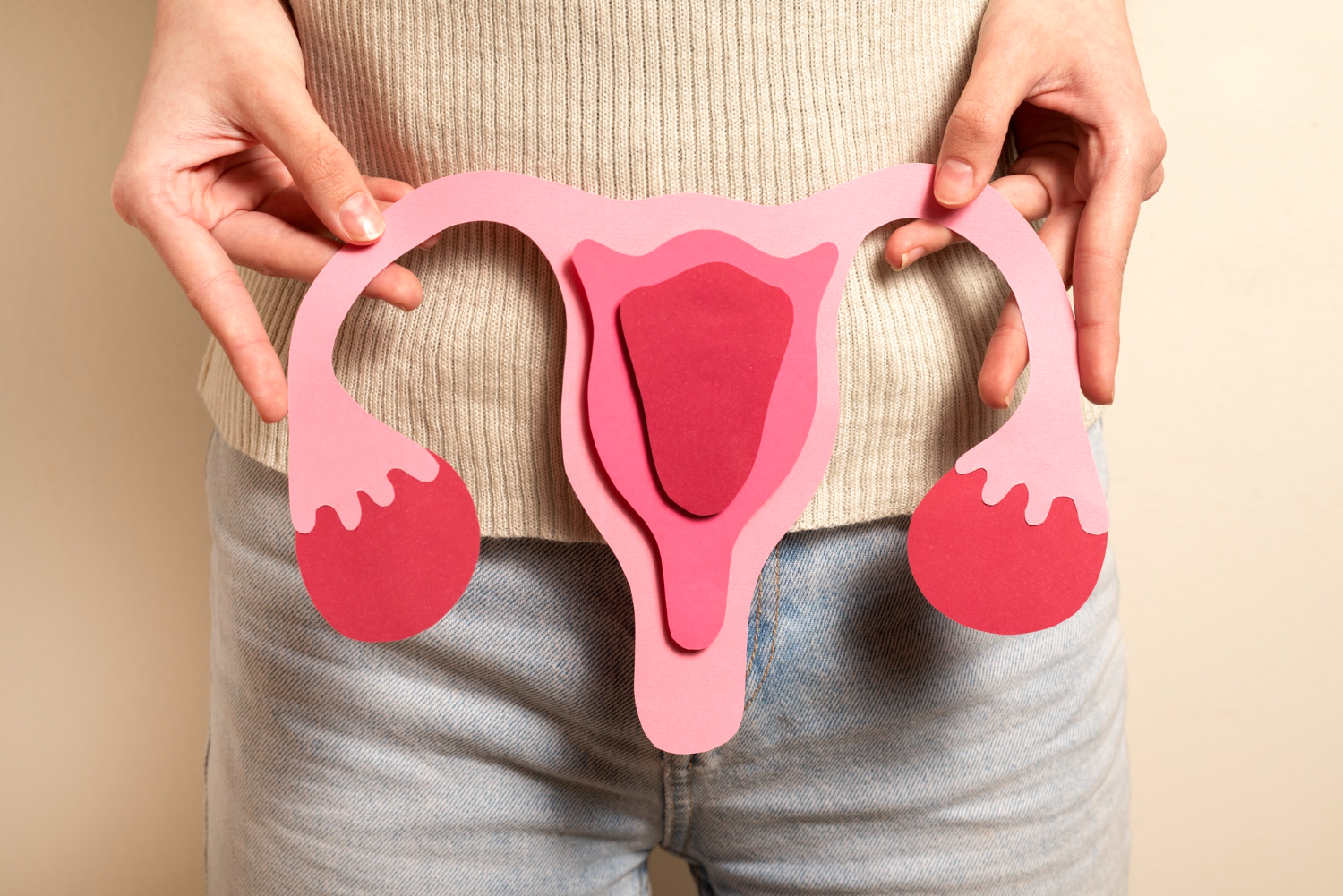
The endometrium is the tissue lining the inside of the uterus.
It changes continuously throughout the menstrual cycle under the influence of estrogen and progesterone.
During the first part of the cycle, estrogen stimulates the endometrium to proliferate and become thicker. After ovulation—or after progesterone is introduced during a programmed embryo-transfer cycle—the tissue undergoes further changes that prepare it for interaction with an embryo.
In fertility treatment, endometrial thickness is generally measured using transvaginal ultrasound.
A measurement around or below 7 mm is commonly described in the scientific literature as a thin endometrium, although thresholds of 6, 7 and 8 mm have all been used.
This is important because a number alone does not provide a complete picture of endometrial receptivity.
Two women with the same endometrial thickness may have very different reproductive histories, tissue characteristics and implantation potential.
Why Does Endometrial Thickness Matter in IVF?
Embryo implantation requires successful communication between a competent embryo and a receptive endometrium.
A well-developed endometrium is associated with:
- Appropriate cellular proliferation
- Adequate vascular development
- Hormonal responsiveness
- Expression of adhesion molecules
- Growth-factor signaling
- Immune regulation
- Successful embryo-endometrial interaction
Large studies and systematic reviews generally show an association between thinner endometrium and lower implantation, pregnancy and live-birth rates.
However, newer evidence also shows that there is no single thickness below which pregnancy suddenly becomes impossible.
A 2025 systematic review and meta-analysis involving 67 studies found that thicker endometrium was associated with progressively higher live-birth rates in both fresh and frozen embryo-transfer cycles, but the relationship followed a gradient rather than a single critical threshold.
This is a useful way to understand thin endometrium and IVF.
The measurement provides important information, but it should be interpreted together with age, embryo quality, uterine health, previous treatment and the pattern of endometrial development.
Thin Endometrium and IVF: What Causes Poor Endometrial Growth?
There is no single cause of a thin endometrium.
For some women, the endometrium has always tended to remain relatively thin.
For others, inadequate growth appears after surgery, infection, inflammation or previous uterine trauma.
Potential contributing factors include:
- Previous dilation and curettage procedures
- Intrauterine adhesions
- Previous uterine surgery
- Endometrial injury
- Chronic endometritis
- Reduced response to estrogen
- Vascular factors
- Inflammation
- Increasing reproductive age
- Individual biological variation
Recent research into the biology of thin endometrium has also identified abnormalities involving endometrial stromal cells, vascular development, fibrosis, inflammation and cellular signaling.
Identifying the likely underlying mechanism can help determine which treatment strategy is most appropriate.
1. Intrauterine Adhesions and Endometrial Damage
One important cause of persistently thin endometrium is damage to the basal layer of the endometrium.
This may occur following uterine procedures such as dilation and curettage, particularly after pregnancy-related surgery or treatment of retained tissue.
If scar tissue develops inside the uterine cavity, the condition is known as intrauterine adhesions or, in more extensive cases, Asherman syndrome.
Adhesions can reduce the amount of healthy endometrial tissue capable of responding normally to estrogen.
In patients with a history suggesting uterine trauma, careful evaluation of the uterine cavity becomes particularly important.
Ultrasound, saline infusion sonography or hysteroscopy may be used depending on the clinical circumstances.
2. Hormonal Response
Endometrial proliferation is strongly influenced by estrogen.
During a natural cycle, estrogen is produced by developing ovarian follicles.
During many frozen embryo-transfer protocols, estrogen is administered to prepare the endometrium.
Some women, however, show a relatively limited endometrial response despite apparently adequate estrogen exposure.
The fertility specialist may therefore review:
- Estrogen dose
- Route of administration
- Duration of treatment
- Previous endometrial response
- Hormonal levels when clinically useful
- Whether a natural or modified-natural transfer cycle may be appropriate
Changing the way the endometrium is prepared can sometimes improve development in subsequent cycles.
3. Reduced Endometrial Blood Flow
The endometrium is highly vascular tissue.
As it develops, an adequate blood supply is required to provide oxygen, nutrients and biological signals.
Reduced uterine or subendometrial blood flow has therefore been investigated as a possible contributor to poor endometrial development.
This has led to interest in treatment strategies aimed not only at increasing thickness but also at supporting angiogenesis—the formation of new blood vessels.
Angiogenesis is one of the biological processes that makes regenerative therapies particularly relevant to endometrial medicine.
4. Chronic Endometritis
Persistent inflammation within the endometrium may alter tissue function and embryo-endometrial interaction.
Chronic endometritis is generally characterized by chronic inflammatory changes within the endometrial tissue.
In selected patients, particularly those with repeated implantation difficulties or relevant clinical history, evaluation may be considered.
When an underlying inflammatory or infectious condition is identified, addressing it may improve the endometrial environment before another embryo transfer.
5. Fibrosis and Impaired Tissue Regeneration
Healthy endometrium has an extraordinary ability to regenerate repeatedly during every menstrual cycle.
When the regenerative capacity of the tissue is impaired, however, the endometrium may fail to proliferate normally.
Fibrosis, previous injury and altered stem/progenitor-cell activity have all been investigated as mechanisms underlying difficult endometrial growth.
This has become an important scientific basis for the development of regenerative approaches to thin endometrium, including PRP, growth-factor-based strategies, exosomes and cell-based regenerative medicine.
Can Pregnancy Occur with a Thin Endometrium?
Yes.
A thin endometrium does not mean that pregnancy is impossible.
Pregnancies and live births have been reported with endometrial measurements below commonly used thresholds.
What changes is the probability.
The 2025 meta-analysis of fresh and frozen embryo-transfer cycles found a continuous association between increasing endometrial thickness and improved reproductive outcomes rather than a definitive line separating “possible” from “impossible.”
Therefore, cancelling embryo transfer automatically because a lining is slightly below a fixed numerical threshold may not always be appropriate.
The decision should consider:
- Embryo quality
- Whether embryos are euploid
- Female age
- Previous transfer history
- Previous pregnancy
- Endometrial pattern
- Previous maximum thickness
- Underlying cause of thin endometrium
- Number of embryos available
Thin Endometrium and IVF: When Should Treatment Be Considered?
A single ultrasound showing a relatively thin endometrium does not necessarily indicate a persistent problem.
The issue becomes more clinically relevant when inadequate development occurs repeatedly.
Particular attention may be warranted when:
- The lining repeatedly remains thin despite adequate preparation
- Previous embryo transfers have failed
- Embryo-transfer cycles have been cancelled because of poor endometrial growth
- There is a history of uterine surgery or curettage
- Intrauterine adhesions are suspected
- There has been previous endometrial injury
- The patient has recurrent implantation failure
- High-quality embryos are available but transfer preparation remains difficult
In these situations, the objective should be to investigate why the tissue is not responding, rather than simply increasing medication indefinitely.
Can Estrogen Increase Endometrial Thickness?
Estrogen remains one of the fundamental components of endometrial preparation.
Different approaches may include:
- Oral estrogen
- Transdermal estrogen
- Vaginal estrogen
- Combination routes
- Extended estrogen preparation
Some women respond well to changes in dose, duration or route of administration.
However, when the endometrium repeatedly remains thin despite adequate estrogen exposure, further increases may provide progressively less benefit.
This is often the point at which attention shifts from simply stimulating proliferation toward understanding the health and regenerative capacity of the endometrial tissue itself.
Natural-Cycle vs Medicated Embryo Transfer
Not every patient requires the same embryo-transfer protocol.
Women who ovulate regularly may sometimes undergo embryo transfer in a natural or modified-natural cycle.
Others may undergo a fully programmed cycle using estrogen and progesterone.
In patients with thin endometrium, previous responses to both approaches can help guide treatment.
For some women, the endometrium may develop better under natural endogenous hormonal stimulation.
For others, controlled hormone replacement provides greater flexibility.
There is no single protocol that is superior for every patient with thin endometrium.
Should an Embryo Transfer Be Cancelled Because the Endometrium Is Thin?
This decision should be individualized.
Older approaches sometimes treated a particular endometrial measurement as an absolute cut-off.
Current evidence supports a more nuanced interpretation.
A 2025 systematic review concluded that endometrial thickness is associated with reproductive outcomes but behaves as a gradient of probability, not a critical threshold below which embryo transfer should automatically be avoided.
This means that a lining of 6.8 mm should not automatically be viewed as biologically different from one measuring 7.0 mm.
The clinical decision should also consider embryo availability, age, previous treatment, whether the lining has reached its individual maximum and the possibility of improving the endometrium in another cycle.
Endometrial Receptivity Is More Than Thickness
One of the most important developments in reproductive medicine is the recognition that endometrial thickness is only one characteristic of endometrial health.
Implantation depends on a complex biological environment involving:
- Blood-vessel development
- Cellular proliferation
- Hormonal receptors
- Cytokines
- Growth factors
- Extracellular matrix
- Immune cells
- Gene expression
- Embryo-endometrial signaling
A thicker lining is not automatically receptive, and a thinner lining is not automatically non-receptive.
This is why modern approaches to thin endometrium and IVF increasingly investigate tissue biology rather than ultrasound thickness alone.
PRP for Thin Endometrium
Platelet-Rich Plasma (PRP) has become one of the most important regenerative approaches for women with difficult endometrial development.
PRP is prepared from the patient’s own blood.
After centrifugation and processing, a plasma fraction enriched with platelets is obtained.
Platelets contain numerous biologically active molecules, including growth factors involved in:
- Tissue regeneration
- Angiogenesis
- Cell proliferation
- Cellular migration
- Extracellular matrix remodeling
- Wound healing
- Inflammatory regulation
When PRP is introduced into the uterus, the aim is to create a local environment rich in regenerative signaling molecules that may support endometrial proliferation and tissue function.
This biological rationale makes PRP particularly relevant when thin endometrium may involve reduced vascularity, impaired regeneration or previous tissue damage.
What Does the Research Show About PRP and Thin Endometrium?
The evidence surrounding endometrial PRP has expanded considerably.
A meta-analysis of eight randomized controlled trials involving 678 women with thin endometrium found that intrauterine PRP was associated with an average increase in endometrial thickness of approximately 1.23 mm compared with controls. The PRP group also showed higher clinical pregnancy, implantation and live-birth rates.
A more recent systematic review involving 14 studies and 523 patients reported an average increase in endometrial thickness of 1.61 mm following PRP treatment.
A 2026 study of women with thin endometrium undergoing frozen embryo transfer also reported increased endometrial thickness, improved uterine blood-flow parameters and higher clinical-pregnancy and live-birth rates in the PRP-treated group.
The growing body of evidence therefore supports continued integration and refinement of PRP protocols for appropriately selected women with difficult endometrial development.
Thin Endometrium, PRP and Embryo Implantation
The potential value of PRP may extend beyond simply adding millimeters to the endometrial measurement.
Growth factors released from platelets participate in biological pathways associated with:
- Endothelial-cell growth
- Angiogenesis
- Tissue remodeling
- Stromal-cell proliferation
- Cellular repair
- Inflammatory modulation
These processes are closely related to the creation of a receptive endometrial environment.
This is particularly relevant because a thin endometrium may represent not only reduced tissue volume but also impaired vascularity or regenerative activity.
For this reason, the objective of uterine PRP is better understood as supporting endometrial regeneration, rather than merely attempting to make the lining thicker.
Uterine Rejuvenation for Thin Endometrium
Uterine rejuvenation describes regenerative strategies intended to support the biological quality and regenerative capacity of the endometrium.
At Chania Fertility Unit, this approach can be considered within a personalized fertility strategy for women with:
- Persistently thin endometrium
- Difficult endometrial preparation
- Previous implantation failure
- Repeated unsuccessful embryo transfers
- Previous endometrial injury
- Selected cases of impaired endometrial development
PRP is particularly relevant because it combines autologous biological material with concentrated growth-factor signaling.
The treatment strategy should be based on the patient’s uterine history, previous endometrial measurements, embryo-transfer history and broader fertility profile.
Regenerative Fertility Experience
Regenerative reproductive medicine is an important area of clinical expertise under the scientific direction of Dr Matthaios Fraidakis, Scientific Director of Chania Fertility Unit and Crete Fertility Centre.
Dr Fraidakis and his clinical teams have worked with regenerative fertility strategies since 2016, developing extensive experience in PRP-based reproductive applications.
This experience is particularly relevant because regenerative fertility should not be approached as one identical procedure for every patient.
Different biological problems may require different strategies.
For example:
A patient with diminished ovarian reserve has a different regenerative target from a patient with persistently thin endometrium.
A woman with previous endometrial injury presents a different biological situation from a patient whose endometrium has always remained relatively thin.
Clinical experience therefore becomes important in patient selection, timing, treatment preparation and integration with IVF or frozen embryo transfer.
PRP and Recurrent Implantation Failure
Thin endometrium and recurrent implantation failure frequently overlap, although they are not the same condition.
A woman may experience recurrent implantation failure with a normal endometrial thickness, while another patient may have a persistently thin lining without multiple previous embryo transfers.
Nevertheless, regenerative strategies targeting the endometrium may be relevant to both groups.
A 2026 meta-analysis of 10 randomized controlled trials involving 1,188 women with recurrent implantation failure found that intrauterine PRP was associated with significantly higher clinical-pregnancy and live-birth rates than controls.
A 2025 network meta-analysis of 25 randomized trials comparing several intrauterine treatments for recurrent implantation failure also ranked PRP highest for both clinical-pregnancy and live-birth outcomes among the interventions studied.
These findings strengthen the scientific interest in platelet-derived regenerative signaling within the endometrium.
Could Exosomes Support Endometrial Regeneration?
Exosomes represent another important development in regenerative medicine.
They are microscopic extracellular vesicles released by cells and used for intercellular communication.
Exosomes can carry:
- Proteins
- Lipids
- Messenger RNA
- MicroRNA
- Growth-related signals
These molecules can influence the behavior of other cells.
Within endometrial research, exosomal signaling is being studied in relation to:
- Angiogenesis
- Tissue repair
- Cellular proliferation
- Inflammatory regulation
- Fibrosis
- Endometrial regeneration
This area is particularly interesting because many regenerative effects once attributed entirely to stem cells are now believed to occur through the biological signals they release—including exosomes.
For patients with difficult endometrial regeneration, these mechanisms may ultimately allow increasingly targeted treatment strategies.
Stem Cells and Endometrial Regeneration
The endometrium naturally regenerates throughout reproductive life.
This remarkable capacity is thought to involve populations of progenitor or stem-like cells within the tissue.
Damage to these regenerative mechanisms may contribute to severe endometrial dysfunction in some women.
Stem-cell-based approaches have therefore been studied for patients with significant endometrial injury, adhesions and difficult endometrial growth.
Potential mechanisms include:
- Promotion of new blood-vessel formation
- Release of regenerative growth factors
- Paracrine signaling
- Modulation of inflammation
- Reduction of fibrosis
- Support of tissue repair
The field is evolving toward an increasingly sophisticated understanding of how cells, growth factors and extracellular vesicles interact to regenerate reproductive tissues.
PRP, Exosomes and Stem Cells: Different Approaches to the Same Biological Goal
PRP, exosomes and stem-cell-based strategies all fall within regenerative medicine, but they act in different ways.
PRP delivers concentrated platelets and platelet-derived growth factors from the patient’s own blood.
Exosomes deliver molecular signals carried within extracellular vesicles.
Stem-cell-based approaches involve cells capable of releasing a complex spectrum of regenerative factors and signals.
Their common biological goals may include:
- Improving tissue repair
- Supporting angiogenesis
- Modulating inflammation
- Improving cellular signaling
- Supporting regeneration of damaged tissue
The appropriate approach depends on the biological problem being treated.
For many women with thin endometrium and IVF, PRP provides a particularly practical regenerative strategy because of its autologous origin and direct application to the endometrial environment.
How Is PRP Used Before Embryo Transfer?
Protocols can vary according to the patient and the treatment centre.
Intrauterine PRP generally involves:
- Drawing a small amount of the patient’s blood.
- Processing it to concentrate platelets.
- Preparing the platelet-rich fraction.
- Introducing the PRP into the uterine cavity using a thin catheter.
- Reassessing endometrial development before embryo transfer.
Some protocols use one infusion, while others use repeated administration according to endometrial response.
The timing of PRP in relation to estrogen preparation and embryo transfer is an important component of individualized treatment planning.
Does PRP Always Increase Endometrial Thickness?
Not every patient responds in the same way.
The biological condition of the endometrium, extent of previous injury, age, hormonal response and treatment protocol can all influence outcomes.
This is why endometrial PRP should be integrated into a broader clinical evaluation rather than assessed only according to whether a particular number of millimeters was gained.
Relevant outcomes include:
- Endometrial growth
- Endometrial vascularity
- Ability to proceed with embryo transfer
- Implantation
- Clinical pregnancy
- Ongoing pregnancy
- Live birth
Research has generally reported encouraging changes in several of these outcomes, particularly in selected populations with persistent thin endometrium.
Preparing for Embryo Transfer After a Thin Endometrium
A personalized strategy may involve several steps.
Evaluate the cause
A persistently thin lining should prompt review of uterine history, surgery, adhesions, inflammation, hormonal response and previous embryo-transfer cycles.
Optimize hormonal preparation
The route, dose and duration of estrogen may be modified when appropriate.
Assess the uterine cavity
If adhesions, polyps or fibroids are suspected, appropriate imaging or hysteroscopy may be useful.
Treat identifiable conditions
Chronic endometritis, intrauterine adhesions or other abnormalities should be addressed when present.
Consider regenerative support
For selected women with difficult endometrial development, PRP or a broader uterine-rejuvenation strategy may be incorporated into the treatment plan.
Reassess before transfer
The decision to proceed should consider endometrial development together with embryo quality, previous history and the patient’s overall reproductive prognosis.
Can Diet or Supplements Thicken the Endometrium?
Nutrition contributes to general reproductive and vascular health, but there is no single food or supplement that reliably increases endometrial thickness.
A balanced nutritional pattern, correction of identified deficiencies, appropriate physical activity and avoidance of smoking can support overall health.
However, women with persistent endometrial hypoproliferation generally require evaluation of the underlying uterine and biological factors rather than relying exclusively on supplements.
Frequently Asked Questions About Thin Endometrium and IVF
What thickness is considered a thin endometrium in IVF?
Around 7 mm or less is commonly used in research, but there is no universally accepted cut-off. Different studies use thresholds between approximately 6 and 8 mm. Current evidence suggests that endometrial thickness should be considered as a continuous prognostic factor rather than an absolute pass-or-fail measurement.
Can IVF work with a 6 mm endometrium?
Yes. Pregnancy can occur with an endometrium measuring around 6 mm or even less. However, on average, reproductive outcomes tend to improve as endometrial thickness increases. Individual prognosis also depends on embryo quality, age, uterine health and other factors.
Can a thin endometrium cause implantation failure?
A persistently thin endometrium can be associated with reduced implantation potential, but implantation failure is multifactorial. Embryo competence, uterine anatomy and other endometrial characteristics also influence the outcome.
Can endometrial thickness be increased before embryo transfer?
In some women, changes in hormonal preparation may improve endometrial development. When poor growth persists, evaluation of uterine pathology and regenerative approaches such as intrauterine PRP may be considered.
Can PRP improve a thin endometrium?
Multiple randomized trials and meta-analyses have reported increases in endometrial thickness following intrauterine PRP. A meta-analysis of eight randomized trials reported an average improvement of approximately 1.23 mm together with higher implantation, clinical-pregnancy and live-birth rates.
How quickly can PRP affect the endometrium?
Protocols vary. PRP may be administered during endometrial preparation and the lining reassessed over the following days. Some protocols use repeated administration depending on the patient’s response and planned embryo-transfer timing.
Is a thicker endometrium always better?
Not necessarily. Endometrial thickness is one marker among many. Very high measurements do not automatically imply better receptivity, and other biological aspects of the tissue remain important.
Is thin endometrium the same as recurrent implantation failure?
No. A patient can have recurrent implantation failure despite normal endometrial thickness, and another can have thin endometrium without a history of repeated failed embryo transfers. However, the two conditions can overlap.
What is uterine rejuvenation?
Uterine rejuvenation refers to regenerative strategies designed to support the biological environment and regenerative capacity of the endometrium. PRP is one important approach, while exosome- and stem-cell-based strategies represent additional areas of regenerative reproductive medicine.
Thin Endometrium and IVF: Creating the Best Environment for Implantation
Thin endometrium and IVF should not be reduced to a single ultrasound number.
Endometrial thickness matters, but successful implantation depends on far more than thickness alone.
The endometrium is a dynamic tissue involving blood vessels, stromal cells, immune cells, growth factors, extracellular matrix and complex molecular communication with the embryo.
When the lining repeatedly fails to develop as expected, the most useful approach is therefore to ask:
Why is the endometrium not responding normally?
For some women, adjustment of hormonal preparation may be sufficient.
For others, uterine adhesions, inflammation or previous tissue injury may need to be addressed.
And for selected patients with persistent poor endometrial development, regenerative approaches such as intrauterine PRP and uterine rejuvenation can provide an additional strategy aimed at supporting tissue repair, vascularization and endometrial development.
At Chania Fertility Unit, assessment of thin endometrium can form part of an individualized fertility plan incorporating previous IVF history, uterine evaluation, endometrial response, embryo characteristics and the clinic’s experience in regenerative reproductive medicine under the scientific direction of Dr Matthaios Fraidakis.
The objective is not simply to reach a predetermined number of millimeters.
It is to create the most favorable endometrial environment for embryo implantation and pregnancy before the next transfer.