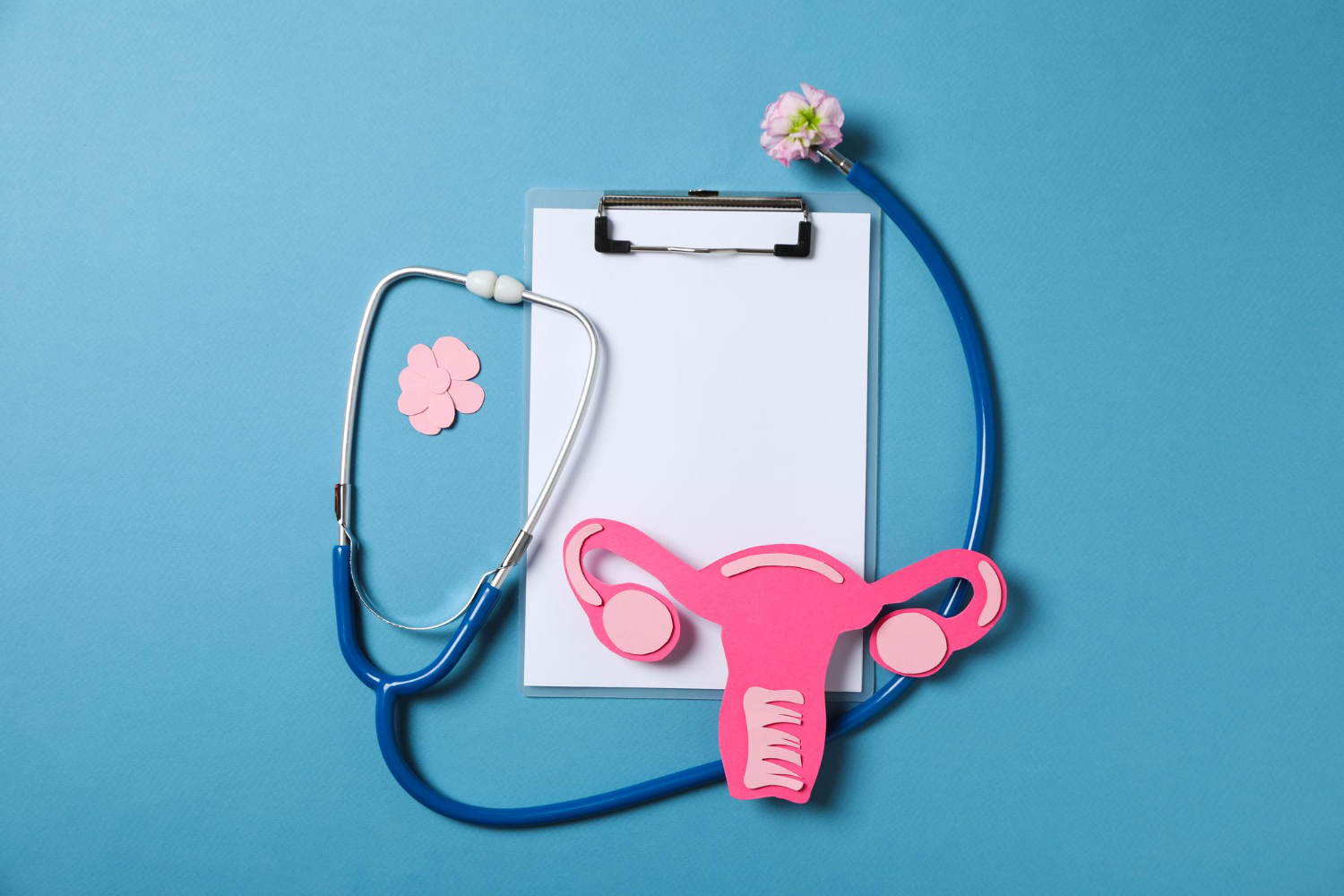
Diminished Ovarian Reserve: Causes, Symptoms, AMH Levels and Fertility Options

2026-09-10T10:58:15+00:00September 10th, 2026|Categories: News|Tags: , , , , , , , , , , , , , |

Being told that you have diminished ovarian reserve (DOR) can raise many questions. Does it mean that you are running out of eggs? Can you still become pregnant naturally? Does low ovarian reserve mean poor egg quality? Can IVF work with diminished ovarian reserve? And is there anything you can do to improve your fertility?

How to improve egg quality: what science says about fertility after 35 and 40

2026-09-10T11:39:41+00:00September 10th, 2026|Categories: News|Tags: , , , , , , , |

For many women trying to conceive after the age of 35 or 40, one question quickly becomes central: Can I improve my egg quality? It is an understandable question. Female fertility gradually declines with age, and this decline becomes more pronounced during the mid-to-late 30s and 40s. However, fertility is complex, and age is only

Low AMH: What it means for your fertility and what you can do about it

2026-09-10T11:40:08+00:00September 10th, 2026|Categories: News|Tags: , , , , , , , , , , |

Receiving a low AMH result can be worrying, particularly if you are trying to conceive or considering IVF. Many women immediately interpret low AMH as meaning that pregnancy is unlikely—or even impossible. But low AMH does not mean that you cannot become pregnant. Anti-Müllerian Hormone (AMH) is primarily a marker of ovarian reserve, helping

    Your Name (required)

    Your Email (required)

    Phone

    Country

    Your Message

    Go to Top